 ultimate-guide
Benefits of Hydrotherapy for Constipation: A Complete Guide
Table of Contents
- How Hydrotherapy for Constipation Works
- The Main Benefits of Hydrotherapy for Constipation
- What to Expect During Colonic Hydrotherapy
- How Long Does Colon Hydrotherapy Take?
- Colon Hydrotherapy Risks and Who Should Avoid It
- Natural Ways to Relieve Constipation Alongside Treatment
- When to Speak to a GP About Constipation
- Conclusion
- Frequently Asked Questions
Last Updated: October 19, 2026
How Hydrotherapy for Constipation Works
Hydrotherapy for constipation is the use of controlled water-based techniques, including colonic irrigation, to soften compacted stool and encourage the bowel to contract again. Warm, filtered water is introduced gently into the colon, loosening what has stalled and giving the bowel a reason to move.
The mechanism is mechanical rather than chemical. Water rehydrates hard, dry stool, increases the volume inside the bowel, and that stretch triggers peristalsis, the wave-like muscle contractions that push waste along. Many people report finding relief after a single session, though the response varies.
The Bowel's Natural Rhythm and Why It Slows
A healthy colon moves waste along through rhythmic muscular contractions, usually triggered by eating, drinking and movement. When that rhythm slows, stool sits longer, more water is reabsorbed, and it becomes hard and difficult to pass.
Several everyday factors disrupt this rhythm: low fluid intake, a diet heavy in processed food and light on fibre, long hours sitting at a desk, stress, and ignoring the urge to go. A common mistake is treating constipation as a one-off when it has become a pattern.
The Main Benefits of Hydrotherapy for Constipation
The clearest benefit is relief from backed-up discomfort. Softening and removing retained stool takes pressure off the bowel wall, which some people report experiencing as a marked reduction in heaviness and abdominal tightness.
Secondary benefits follow from that clearance. A bowel that is no longer overloaded tends to contract more effectively, and clients often report feeling lighter and more comfortable through the day. We are careful here: hydrotherapy is a supportive treatment, not a cure for an underlying condition.
Relief From Bloating and Backed-Up Discomfort
Bloating often comes from stool and gas sitting in a sluggish colon. Clearing that backlog may visibly reduce abdominal distension, though results depend on how long the problem has been building and what is driving it.
What to Expect During Colonic Hydrotherapy
A colonic hydrotherapy session is a private, dignified procedure: you lie comfortably while a qualified therapist introduces warm, filtered water through a small speculum, and the bowel is gently flushed over the course of the appointment.
Expect a full consultation first, covering your medical history, medications and symptoms. The therapist then explains the equipment and what you will feel, usually a mild urge to empty the bowel. You remain covered throughout, and the therapist stays present to adjust flow and temperature. Afterwards, some people report feeling tired but lighter, and can return to normal activity.
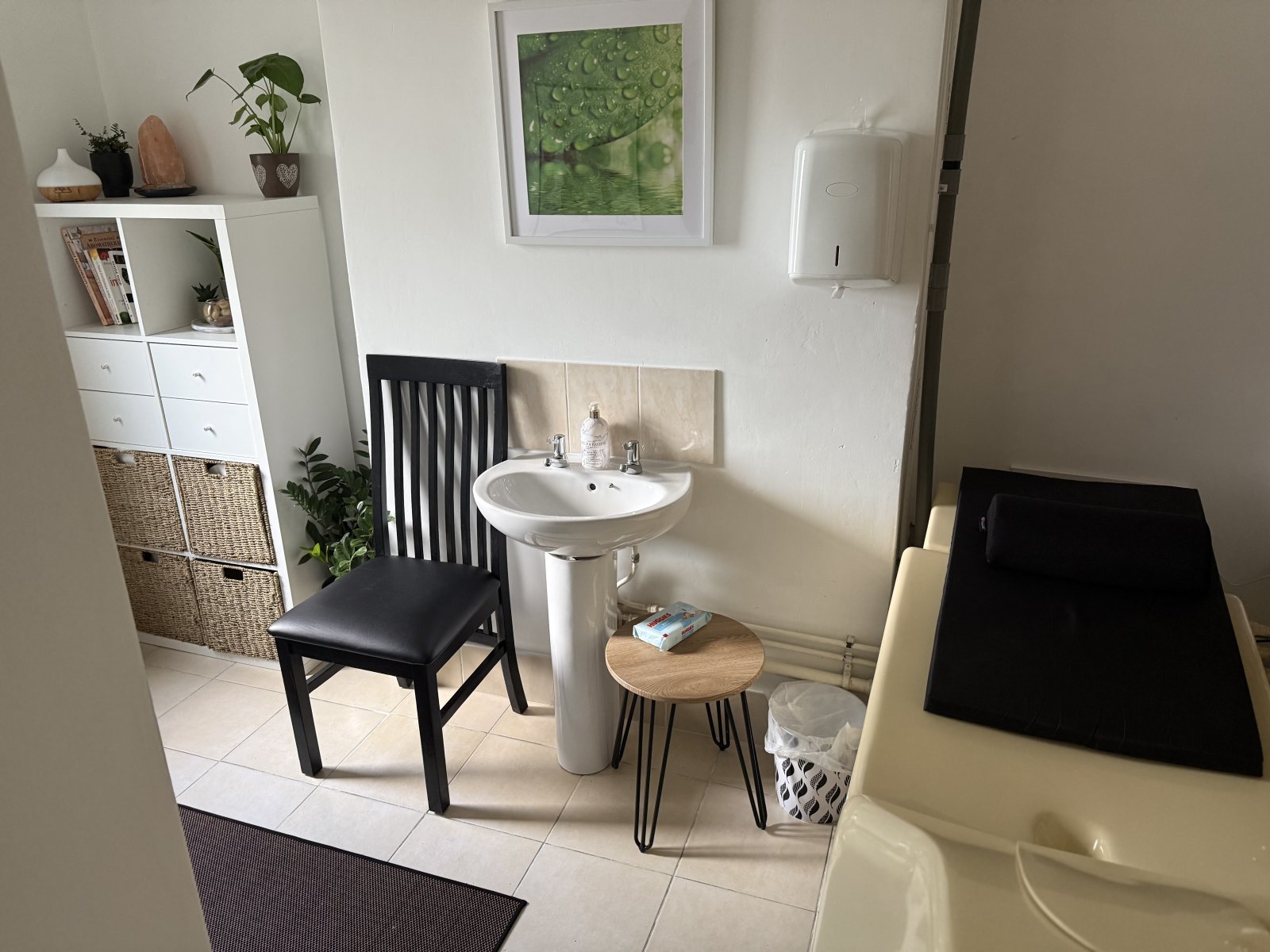
A calm, private treatment room with a comfortable reclining therapy bed, soft lighting and a qualified therapist in uniform preparing hygienic equipment, conveying a reassuring clinical environment
The environment matters more than people expect. If you are anxious, ask to see the room and the equipment before booking.
How Long Does Colon Hydrotherapy Take?
A typical appointment runs around 45 minutes to an hour, including consultation, the procedure itself and time to dress and settle afterwards. The irrigation portion usually takes 30 to 45 minutes, depending on how the bowel responds.
First appointments often run longer because of the consultation. Plan for extra time afterwards and avoid booking anything demanding straight away, as some people feel light-headed or tired for a short while.
Stage | Typical duration | What happens |
|---|---|---|
Consultation | 10-15 minutes | Medical history, symptoms, consent |
Irrigation | 30-45 minutes | Gentle warm water introduced, bowel emptied |
Wind-down | 5 minutes | Dressing, aftercare advice, hydration |
Colon Hydrotherapy Risks and Who Should Avoid It
Colonic hydrotherapy carries real risks, and it is not suitable for everyone. Possible side effects include cramping, bloating, nausea and, rarely, electrolyte disturbance or perforation. These are uncommon with a qualified therapist using gentle equipment, but they are not zero.
Book your colon hydrotherapy session today →
You should avoid it if you are pregnant, have a known bowel perforation, severe heart or kidney disease, uncontrolled high blood pressure, or active inflammatory bowel disease. Anyone with a history of colon surgery or diverticulitis should seek medical clearance first. Always disclose medications and conditions honestly at consultation.
Natural Ways to Relieve Constipation Alongside Treatment
Treatment works best when it supports what you do daily. The NHS guidance on constipation sets out the basics: more fibre, more fluid, and regular movement. We would add consistency, because sporadic effort rarely shifts a long-standing pattern.
- Increase soluble fibre gradually: oats, pulses, fruit and vegetables
- Drink water steadily through the day, not in one burst
- Move daily, even a brisk walk helps peristalsis
- Establish a regular toilet routine, ideally after breakfast
- Avoid relying on laxatives long term without medical advice
Many people find that gentle abdominal massage and reducing highly processed food also help. If symptoms persist despite these changes, that is a signal to investigate further rather than push on.
When to Speak to a GP About Constipation
Speak to a GP if constipation lasts more than a few weeks, keeps returning, or comes with blood in the stool, unexplained weight loss, severe pain or a sudden change in bowel habit. These symptoms need proper assessment, not a wellness treatment.
The NHS overview of constipation and NICE guidance on constipation in adults both stress that persistent symptoms should be reviewed. Hydrotherapy can sit alongside medical care, but it never replaces it.
Conclusion
Frequently Asked Questions
Can colon hydrotherapy help with constipation?
Colonic hydrotherapy gently introduces filtered water into the colon to soften and flush out backed-up stool, which can bring short-term relief for people with sluggish bowels. Many clients report feeling lighter and less bloated afterwards. It is not a cure for chronic constipation, though. Lasting results usually depend on pairing treatment with fibre, fluids, movement and, where needed, advice from a GP or dietitian.
What happens during colonic hydrotherapy?
You lie comfortably while a qualified hydrotherapist gently introduces warm filtered water through a small speculum. The water softens stool, which then leaves the body through a closed or open system. The therapist controls temperature and pressure throughout and checks in with you regularly. Some people describe it as unusual rather than painful. You can pause at any point, and the room is kept private so you can ask questions freely.
Is colon hydrotherapy safe for constipation?
For most healthy adults, colonic irrigation carried out by a trained practitioner using single-use equipment is generally well tolerated. Mild cramping, wind or loose stools afterwards are common and usually settle within a day. It is not suitable for everyone, though. People with certain heart, kidney or bowel conditions, or who are pregnant, should avoid it. Always discuss your medical history with the practitioner beforehand and check with your GP if you are unsure.
What are the risks or side effects of colon hydrotherapy?
Common side effects include abdominal cramping, bloating, wind and loose stools for a short period after treatment. Less common risks include dehydration, electrolyte imbalance and, rarely, bowel perforation when equipment or technique is poor. Choosing a qualified hydrotherapist who uses hygienic, single-use equipment reduces these risks considerably. Stop and tell your practitioner if you feel faint, dizzy or unwell at any point during the session.
How long does colon hydrotherapy take?
A typical session lasts around 45 to 60 minutes, including a short consultation before and a few minutes to rest afterwards. The water-filling and release phase usually takes 30 to 40 minutes, depending on how your bowel responds. First appointments often run slightly longer because the therapist takes a fuller medical and lifestyle history. Allow extra time for travel and a relaxed journey home.
When should constipation be assessed by a GP?
See a GP if constipation lasts more than a few weeks, keeps returning, or comes with blood in your stool, unexplained weight loss, severe pain, vomiting or a sudden change in bowel habit. These signs need proper assessment rather than home remedies. A GP can rule out underlying conditions and, where appropriate, refer you to a specialist. Colonic hydrotherapy is a complementary therapy, not a substitute for medical diagnosis.
Constipation that has become a pattern deserves more than another box of laxatives. If you are in West London and want a private, hygienic setting with an experienced therapist, Body & Soul Zone offers professional colonic irrigation using the gentle LIBBE open system, backed by over 17 years of experience and a calm, comfortable clinic. Book your colon hydrotherapy session today and take the first step towards feeling lighter.