 blog
How to Choose Colonic Hydrotherapy vs Fibre Supplements
Last Updated: November 8, 2026
Quick Summary
Colonic hydrotherapy is a clinical procedure that flushes the colon with water in a single 30 to 45 minute session, while fibre supplements are daily oral products that soften stool gradually over days. Fibre supplements have stronger evidence and lower cost, so try them first for mild constipation.
- Fibre supplements cost £8-£20 per month, compared with £70-£120 per colonic hydrotherapy session.
- Psyllium husk is the most studied fibre supplement and the easiest starting point for most people.
- Colonic hydrotherapy is contraindicated in bowel obstruction, severe diverticulitis and recent bowel surgery.
- Leave at least two hours between a fibre supplement and regular medicines such as thyroid drugs.
- See your GP if constipation persists for several weeks despite adequate fibre and fluid.
Table of Contents
- Colonic Hydrotherapy vs Fibre Supplements: The Core Difference
- Fibre Supplements for Constipation: What the Evidence Shows
- Psyllium Husk for Constipation: Dosing and Practical Use
- Colonic Hydrotherapy Benefits and Risks
- Colonic Irrigation Alternatives: What Else Can You Try?
- Comparing the Evidence, Cost and Treatment Burden
- How to Decide What Suits Your Symptoms
- Booking a Colonic Hydrotherapy Consultation
- Frequently Asked Questions
Colonic Hydrotherapy vs Fibre Supplements: The Core Difference
Colonic hydrotherapy vs fibre supplements is a comparison between a clinical procedure that flushes the bowel with water and a daily dietary habit that softens stool over time. At Colonic Irrigation - Colon Hydrotherapy Cleansing, we hear this question often, and the honest answer is that they work in completely different ways.
Fibre supplements support bowel regularity gradually, usually over days or weeks. Colonic hydrotherapy, also called colonic irrigation, is a single appointment where a therapist gently introduces filtered water into the colon through the rectum to encourage a bowel evacuation.

What colonic hydrotherapy involves
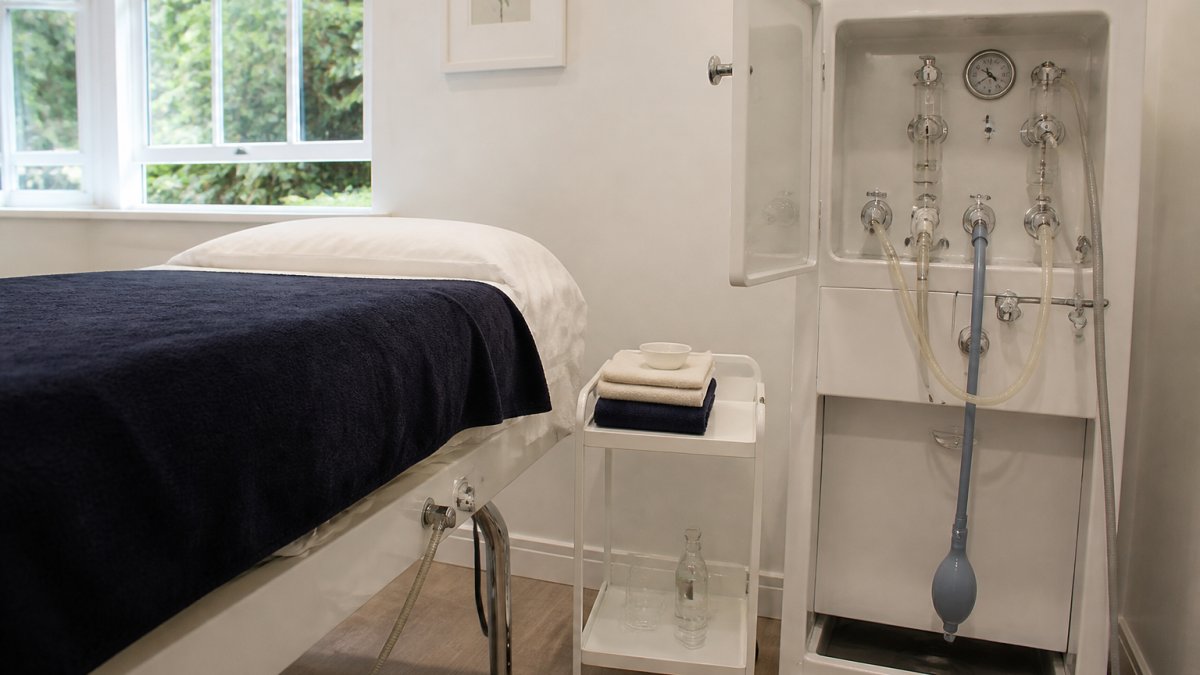
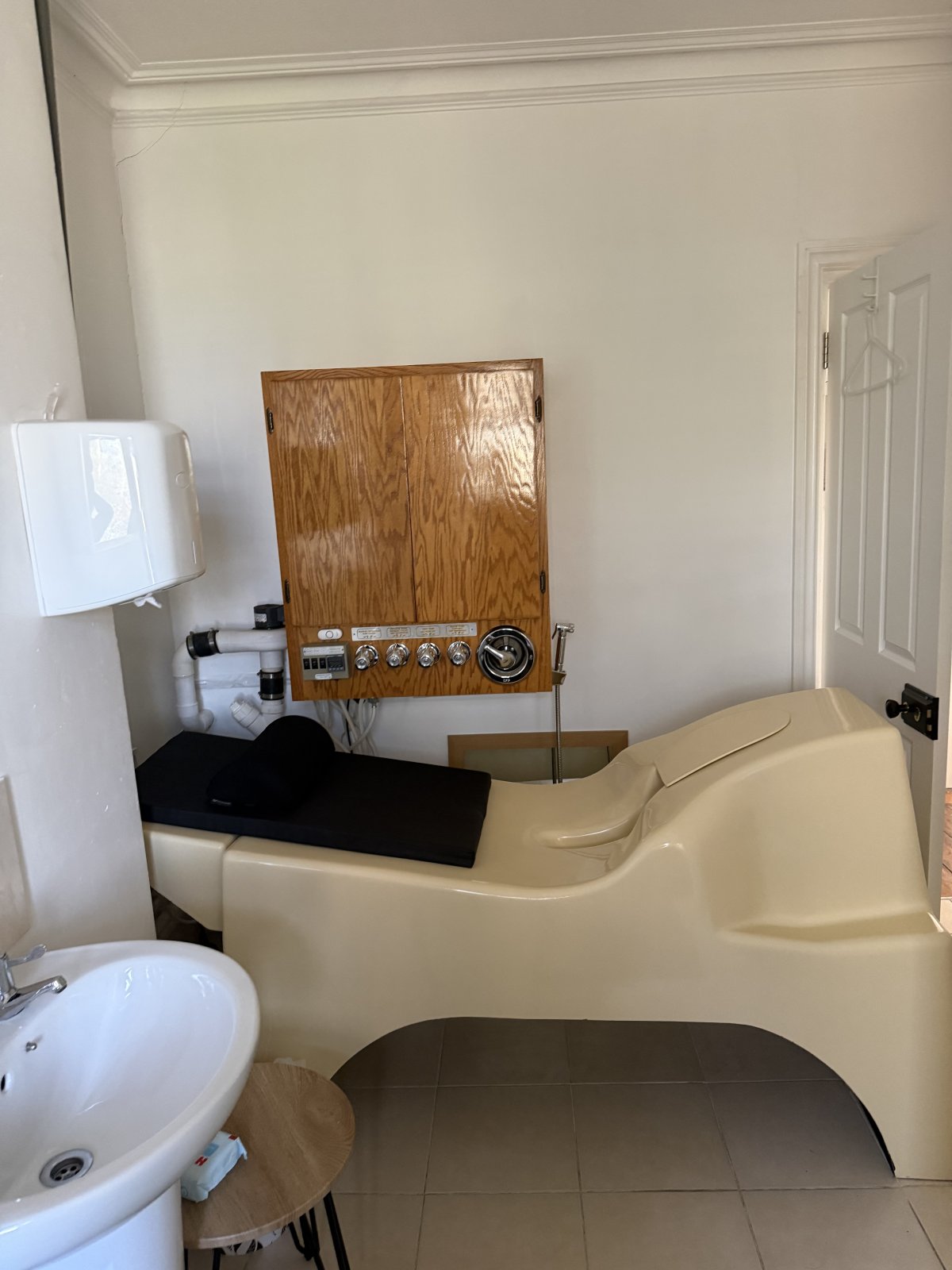
Colonic hydrotherapy is a procedure in which a trained therapist uses warm, filtered water to irrigate the large intestine. A small speculum is inserted rectally and water flows in gently, prompting the bowel to release stool and gas. Sessions typically last 30 to 45 minutes. At our Ealing clinic we use the LIBBE open system.
What fibre supplements are and how they work
Fibre supplements are oral products, such as powders, capsules or tablets, that add dietary fibre to your diet. They work by drawing water into the colon, which bulks and softens stool so it passes more easily. Common types include psyllium husk, methylcellulose and wheat dextrin. They are taken daily, usually with plenty of water, and take effect over several days.
Fibre Supplements for Constipation: What the Evidence Shows
The evidence base for fibre supplements is stronger than the evidence base for colonic hydrotherapy. A 2022 systematic review and meta-analysis found that fibre supplementation improved stool consistency in people with chronic constipation, according to the published review on fibre and chronic constipation.
Soluble vs insoluble fibre
Soluble fibre dissolves in water and forms a gel that softens stool. Insoluble fibre adds bulk and helps food move through the bowel faster.
Psyllium Husk for Constipation: Dosing and Practical Use
Psyllium husk is the most studied fibre supplement for constipation and the easiest starting point for most people. Follow the dosing instructions on the product label, increasing gradually. Always drink plenty of water alongside it. Watch out: taking psyllium with too little fluid can worsen constipation or cause bloating, so hydration matters as much as the dose.
Colonic Hydrotherapy Benefits and Risks
The evidence for lasting benefit from colonic hydrotherapy is limited, and the procedure carries real risks. Unlike fibre supplements, which work with the body's own processes, hydrotherapy physically flushes the colon with water, and that difference matters when weighing up benefits and harms.
What the evidence actually shows
The research base for colonic hydrotherapy is small and mixed. The research base for colonic hydrotherapy is limited, and high-quality evidence supporting lasting benefit is lacking. The procedure is not a substitute for addressing underlying bowel habits, diet or medical conditions.
How it is performed and what to expect
A session typically lasts 30 to 45 minutes. A small speculum is inserted rectally and warm, filtered water is introduced gently to encourage the bowel to release stool and gas. At our clinic we use the LIBBE open system. You may experience an urgent need to open your bowels during and after the session, and it is sensible to allow time afterwards before travelling or returning to work.
Risks and side effects
Common side effects include cramping, bloating, feelings of fullness and dehydration. More serious risks, though rare, include bowel perforation, electrolyte imbalance and infection if equipment is not properly sterilised. The procedure is not suitable for everyone. You should not have colonic hydrotherapy if you have a known bowel obstruction, severe diverticulitis, inflammatory bowel disease flare-ups, recent bowel surgery, or certain heart or kidney conditions. If you take diuretics, blood pressure medication or other regular medicines, speak to your GP first, as fluid shifts can affect electrolyte balance.
Contraindications and when to avoid it
Colonic hydrotherapy should only be performed by a trained practitioner after a consultation that reviews your medical history. It is not a treatment for undiagnosed symptoms. If you have blood in your stool, unexplained weight loss, a lasting change in bowel habits, or severe abdominal pain, seek medical assessment rather than booking a cleanse. Pregnant women and people with uncontrolled hypertension should avoid it unless a clinician advises otherwise.
What to expect afterwards
Some people feel a short-term sense of relief, but the effect on bowel regularity is usually temporary. Recurrence of constipation can occur if underlying factors such as low fibre intake, dehydration or inactivity are not addressed. You can read more about safety, preparation and benefits or explore a fuller guide to the benefits of hydrotherapy for constipation.
Colonic Irrigation Alternatives: What Else Can You Try?
If you are considering colonic irrigation, it helps to compare it directly with other options on the things that matter: how they work, how quickly they act, how long the effect lasts, what they cost, and what the evidence says. The table below sets out a practical comparison.
| Option | How it works | Typical onset | Duration of effect | Typical cost (GBP) | Evidence strength | Key risks |
|---|---|---|---|---|---|---|
| Psyllium husk | Bulks and softens stool by drawing in water | Several days | Ongoing with daily use | £8-£15 per month | Good | Bloating, gas, worsening constipation if fluid intake is low |
| Mixed fibre supplement | Adds bulk and may reduce bloating | Several days | Ongoing with daily use | £10-£20 per month | Good | Similar to psyllium; start low and increase slowly |
| Dietary fibre from whole foods | Adds soluble and insoluble fibre | Days to weeks | Ongoing with sustained diet change | Cost-neutral or modest | Good | Gradual increase needed to avoid wind and bloating |
| Macrogol laxative | Draws water into the bowel | 1-3 days | While taken | £5-£10 per pack | Good | Cramping, loose stools if overused |
| Colonic hydrotherapy | Flushes the colon with water | Immediate | Short-term; often hours to days | £70-£120 per session | Limited | Cramping, dehydration, rare perforation |
Choosing by symptom and context
For mild, occasional constipation, fibre supplements or dietary changes are the sensible first step. They are low-risk, inexpensive and supported by better evidence. If symptoms persist for several weeks despite adequate fibre and fluid, or if you need to use laxatives regularly, speak to your GP. Colonic hydrotherapy may appeal if you want a supervised, single-session approach, but it should not be used as a substitute for medical assessment or as a repeated cleanse without clinical advice.
Medication interactions and contraindications
Fibre supplements can affect the absorption of some medicines, including certain thyroid medications, diabetes medicines and antidepressants. If you take regular medication, leave at least two hours between the supplement and your medicine, and check with a pharmacist. Macrogol is generally well tolerated but should not be used long-term without advice. Colonic hydrotherapy is contraindicated in bowel obstruction, severe diverticulitis, inflammatory bowel disease flare-ups and recent bowel surgery, and should be avoided in pregnancy unless a clinician advises otherwise.
What to expect after treatment and longer-term outcomes
Neither approach is a cure for chronic constipation. Fibre supplements work gradually and need to be taken consistently, alongside adequate fluid and physical activity. Colonic hydrotherapy may provide short-term relief, but the effect usually wears off and recurrence is common. Lasting improvement comes from addressing diet, hydration, routine and any underlying medical condition. If you want to weigh costs in more detail, our guide to colonic irrigation cost sets out typical session prices so you can compare them against a monthly supplement.
Comparing the Evidence, Cost and Treatment Burden
Fibre supplements are taken at home, while colonic hydrotherapy is a paid appointment that requires time off. If you want to weigh costs, our guide to colonic irrigation cost sets out typical session prices so you can compare them against a monthly supplement.
How to Decide What Suits Your Symptoms
Start with fibre supplements if your constipation is mild and occasional. Consider colonic hydrotherapy if you want a supervised, single-session approach, or if fibre alone has not helped after several weeks. Neither option replaces medical assessment. See your GP promptly if you notice blood in your stool, unexplained weight loss or a lasting change in bowel habits.
Booking a Colonic Hydrotherapy Consultation
If you decide to try colonic hydrotherapy, book a consultation first. At Colonic Irrigation - Colon Hydrotherapy Cleansing, our qualified hydrotherapist has over 17 years of experience and uses the LIBBE open system in a private, hygienic clinic. A consultation lets us review your history and explain what to expect. You can view our colonic irrigation service, take advantage of our Colonic Irrigation £59 Offer, or read what to know before you book.
Choosing between colonic hydrotherapy and fibre supplements comes down to your symptoms, your evidence threshold and how much time you can give to a daily routine. We offer a calm, private setting and a qualified therapist who will talk you through every step. Get started with Colonic Irrigation - Colon Hydrotherapy Cleansing and book a consultation to see whether colonic hydrotherapy suits you.
Frequently Asked Questions
Is colonic hydrotherapy better than fibre supplements for constipation?
Neither is universally better. Fibre supplements generally have a stronger evidence base for constipation than colonic hydrotherapy. Colonic hydrotherapy has limited evidence supporting lasting benefit. Your choice depends on symptoms, medical history and whether you want a clinic-based treatment or a daily oral supplement. Speak to a GP if constipation persists.
What are the risks of colonic hydrotherapy?
Colonic hydrotherapy carries risks including cramping, bloating, nausea and, rarely, more serious complications such as electrolyte imbalance or bowel perforation. Colon cleansing is not proven to provide general health benefits. If you have a heart condition, kidney disease, severe anaemia or recent bowel surgery, check with your GP before booking.
Can you take fibre supplements after colonic hydrotherapy?
Yes, many people do. Fibre supplements work gradually to bulk and soften stool, so starting them after a session may support bowel regularity between treatments. Begin with a low dose and increase slowly to reduce bloating and gas. Psyllium husk is a common choice. Drink plenty of water and ask your hydrotherapist or GP for advice tailored to you.
When should you speak to a GP about constipation?
Speak to a GP if constipation lasts more than a few weeks, keeps returning, or comes with blood in your stool, unexplained weight loss, severe pain or a change in bowel habits you cannot explain. These signs need proper assessment. A GP can check for underlying causes, review medications that may contribute, and advise on fibre supplements, laxatives or other treatments. Do not rely on colonic hydrotherapy alone to investigate or treat persistent symptoms.