 how-to
7 Ways to Relieve Chronic Bloating, Backed by Evidence
Last Updated: October 30, 2026
Quick Summary
To relieve chronic bloating, address the pattern behind it by treating constipation and gas together: build a daily toilet routine, increase fluid and soluble fibre gradually, add a 10-15 minute walk after your largest meal, and track symptoms in a diary. Reduce trigger foods one at a time and see a GP if bloating persists or red flags appear.
- Chronic bloating is recurring abdominal fullness usually driven by gas, constipation, diet, or swallowed air.
- Try a stepwise plan over four to six weeks, adjusting one variable at a time.
- Sit on the toilet 20-30 minutes after breakfast with knees above hips and avoid straining.
- Aim for around 6-8 glasses of fluid daily and increase soluble fibre slowly.
- See a GP if constipation lasts more than three weeks despite lifestyle changes.
Table of Contents
- Understanding the Causes of Chronic Bloating
- Foods That Reduce Bloating and Trigger Foods to Limit
- Managing Bloating and Constipation Together
- Eating Habits, Hydration and Swallowed Air
- Movement and Exercise for Digestive Comfort
- Home Remedies and Over-the-Counter Options: What the Evidence Says
- When to See a GP for Bloating
- Tracking Symptoms and Booking a Colonic Hydrotherapy Consultation
- Frequently Asked Questions
Understanding the Causes of Chronic Bloating
Learning how to relieve chronic bloating starts with knowing what is actually causing it. Chronic bloating is recurring abdominal fullness or tightness that keeps coming back, usually driven by gas, constipation, diet, or swallowed air rather than a single bad meal.
Bloating that returns no matter what people try is the pattern to address, not just the symptom.
Gas, Constipation and Swallowed Air
Three everyday drivers sit behind most recurring cases:
- Gas builds when gut bacteria ferment undigested food, especially fibre and sugars.
- Constipation slows transit, so gas and stool collect and the abdomen distends.
- Swallowed air enters with fast eating, fizzy drinks, and chewing gum.
A review of management strategies notes that dietary FODMAP restriction was linked to a 50% to 82% decrease in bloating (Management Strategies for Abdominal Bloating and Distension). That is a documented range, not a promise for every person.
Bloating Versus Abdominal Swelling
Bloating is the sensation of pressure or fullness. Abdominal swelling is a measurable increase in girth, sometimes several centimetres. The two often occur together, but they are not the same thing, and telling them apart helps you describe symptoms clearly to a GP.
Foods That Reduce Bloating and Trigger Foods to Limit
No single food list works for everyone, but patterns are consistent. Foods that reduce bloating tend to be easy to digest and gentle on gas production. Trigger foods are usually fermentable carbohydrates, fizzy drinks, and heavy late meals.
Foods worth adding:
- Cooked vegetables such as carrots, courgette, and spinach
- Oats and other soluble fibre sources
- Ginger and peppermint tea
- Plenty of water
Foods to test by reducing:
- Beans, lentils, and large portions of onion or garlic
- Fizzy drinks and sugar alcohols in "sugar-free" products
- Very large raw salads eaten quickly
- Excess caffeine and alcohol
Keep changes one at a time. Changing five things at once tells you nothing.
Managing Bloating and Constipation Together
Constipation and bloating travel together, and treating one usually eases the other. Slow bowel movements let gas and stool build up, so the abdomen feels tight and full. For chronic bloating, the goal is not a single fix but a repeatable routine you can sustain and measure.
A Stepwise Plan for Chronic Bloating and Constipation
A structured, stepwise approach is often easier to follow than changing everything at once. Try this sequence over four to six weeks, adjusting one variable at a time:
- Week 1-2: Establish a toilet routine. Sit on the toilet at the same time each day, ideally 20-30 minutes after breakfast when the gastrocolic reflex is strongest. Use a footstool so your knees sit above your hips, and avoid straining. Give yourself 5-10 minutes without distraction.
- Week 2-3: Increase fluid and soluble fibre gradually. Aim for around 6-8 glasses of fluid daily and add soluble fibre sources such as oats, psyllium, or cooked carrots in small increments. Increase fibre slowly, with fluid, to avoid extra gas.
- Week 3-4: Add daily movement. A 10-15 minute walk after your largest meal supports bowel motility. Regular aerobic activity most days helps maintain regularity.
- Week 4-6: Review and adjust. If constipation persists despite these steps, discuss with a GP or pharmacist whether a short course of an over-the-counter laxative is appropriate. Do not use laxatives long-term without advice.
Tracking Bowel Regularity and Bloating Severity
A simple diary is the single most useful tool for chronic bloating. Record:
- Bowel movement frequency and stool consistency (using the Bristol Stool Scale from 1 to 7)
- Bloating severity on a scale of 1 to 10, once daily
- Time of day symptoms are worst
- Any changes to diet, fluid, or routine
After two to three weeks, patterns usually appear. Bring this record to any appointment.
When Constipation Needs Medical Review
See a GP if constipation lasts more than three weeks despite lifestyle changes, or if you notice blood in your stool, unintentional weight loss, persistent abdominal pain, or a change in bowel habits lasting more than three weeks. These do not mean something serious is certain, but a clinician should assess you.
If constipation is the main issue, our article on whether colonic irrigation helps constipation explains what the evidence and practical experience suggest.
Eating Habits, Hydration and Swallowed Air
How you eat matters as much as what you eat. Swallowed air is a major, often ignored cause of upper bloating, and it is entirely fixable.
Try these habits:
Book your colon hydrotherapy session today →
- Eat slowly and put the fork down between bites
- Avoid drinking large volumes through straws
- Cut fizzy drinks, which release gas directly into the gut
- Chew gum less often
- Take a short walk after meals
Hydration supports digestion and softer stools. Water, herbal tea, and diluted squash all count. Dehydration makes constipation worse, which makes bloating worse.
Movement and Exercise for Digestive Comfort
Movement is one of the most underrated tools for digestive discomfort. A review cited a small study of 8 people where stationary-bike exercise improved intestinal gas clearance and reduced symptoms (Pathophysiology, Evaluation, and Treatment of Bloating). Small, but telling.
What we suggest:
- A 10 to 15 minute walk after your largest meal
- Gentle yoga twists to encourage movement
- Regular aerobic activity most days
- A warm bath in the evening to relax the abdominal muscles
You do not need a gym. Consistency beats intensity.
Home Remedies and Over-the-Counter Options: What the Evidence Says
Be sceptical about quick fixes. The same review notes that gas-reducing products such as simethicone and charcoal are widely used, but evidence supporting their effectiveness is limited (review of bloating management).
A realistic view of common options:
| Option | What it may help | Evidence strength |
|---|---|---|
| Peppermint oil capsules | Cramping and gas | Moderate |
| Simethicone | Trapped gas | Limited |
| Charcoal tablets | General gas | Limited |
| Digestive enzymes | Specific intolerances | Mixed |
| Probiotics | Gut balance over weeks | Mixed |
If you are considering colonic irrigation, our colonic irrigation FAQ covers safety, preparation, and what to expect.
When to See a GP for Bloating
See a GP if bloating is persistent, worsening, or comes with warning signs. Chronic bloating that lasts weeks, or returns again and again without a clear cause, deserves a proper look. The key is knowing which symptoms are red flags and how quickly to act.
Red-Flag Symptoms and Clear Thresholds
Book an appointment promptly if you notice any of the following:
- Unintentional weight loss over weeks or months without trying
- Blood in your stool or black, tarry stools
- Persistent abdominal pain that does not ease with wind or a bowel movement
- Bloating that does not ease overnight or is accompanied by swelling
- Changes in bowel habits lasting more than three weeks, such as new constipation or diarrhoea
- A family history of bowel or ovarian conditions
- Anaemia symptoms such as fatigue, breathlessness, or pale skin
These do not mean something serious is certain. They mean a clinician should assess you. Self-management is for everyday bloating, not for red flags.
How Quickly to Seek Help
- Same day or urgent care if you have severe abdominal pain, a hard or rigid abdomen, fever, or vomiting.
- Within two weeks if you have any red-flag symptom above, or if bloating is persistent and unexplained.
- Routine appointment if bloating is recurrent but without red flags, especially if it affects daily life.
What to Bring to Your GP Appointment
A symptom diary is invaluable. Record what you ate, when symptoms started, how severe they felt on a scale of 1 to 10, and bowel movement frequency and consistency. After two to three weeks, patterns usually appear. Bring this record, along with a list of any medicines or supplements you take.
Condition-Specific Causes a GP May Consider
A GP may explore possible underlying causes such as food intolerance (for example, lactose or fructose), irritable bowel syndrome (IBS), coeliac disease, or other digestive conditions. They may arrange blood tests, stool tests, or a referral. Avoid self-diagnosis; a clinician-led evaluation is the safest route.
If you are considering colonic irrigation, our colonic irrigation FAQ covers safety, preparation, and what to expect.
Tracking Symptoms and Booking a Colonic Hydrotherapy Consultation
A simple food and symptom diary is the single most useful thing you can bring to any appointment. Record what you ate, when symptoms started, and how severe they felt on a scale of 1 to 10. After two to three weeks, patterns usually appear.
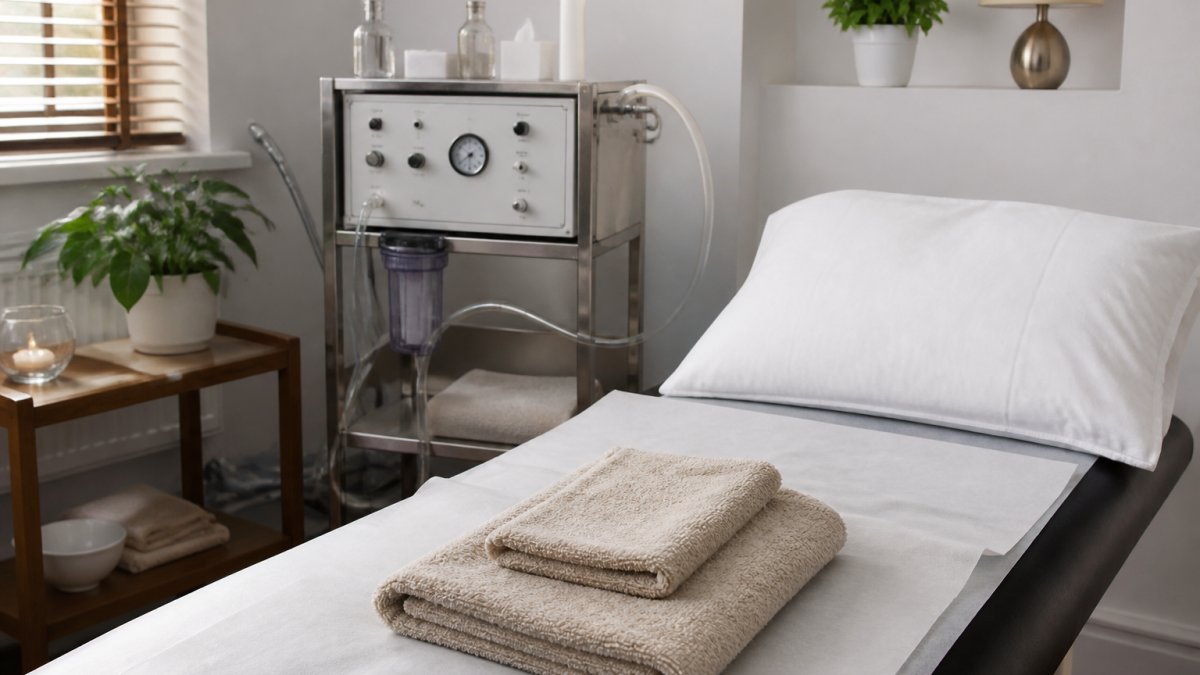
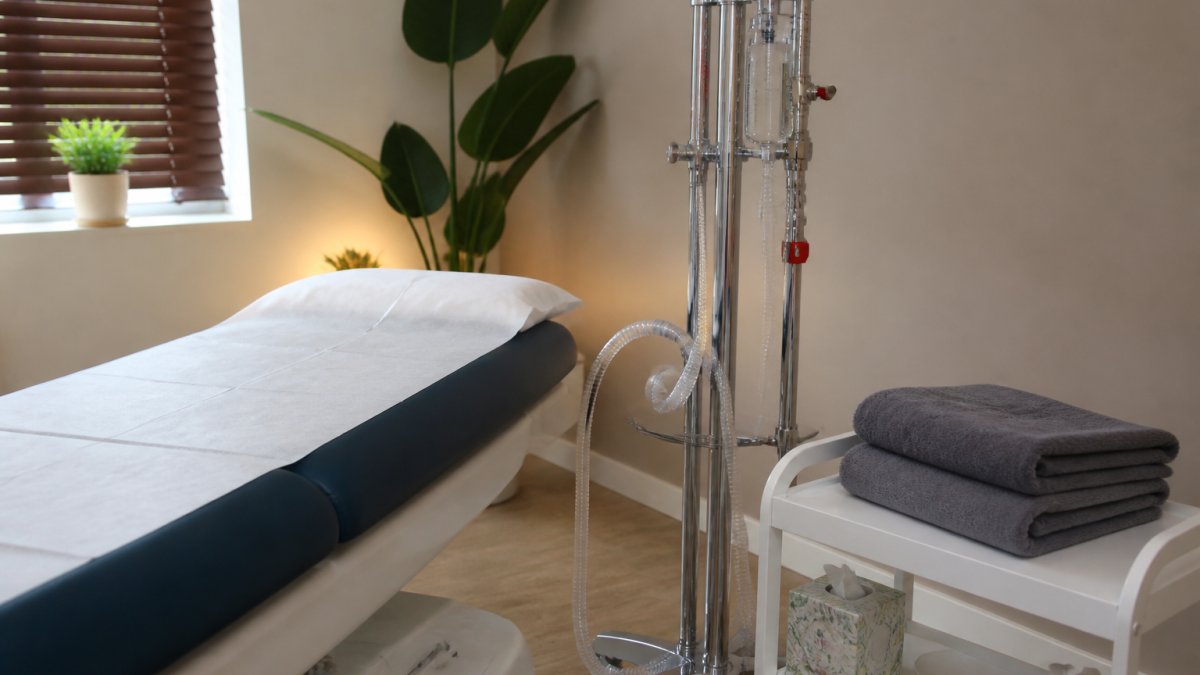
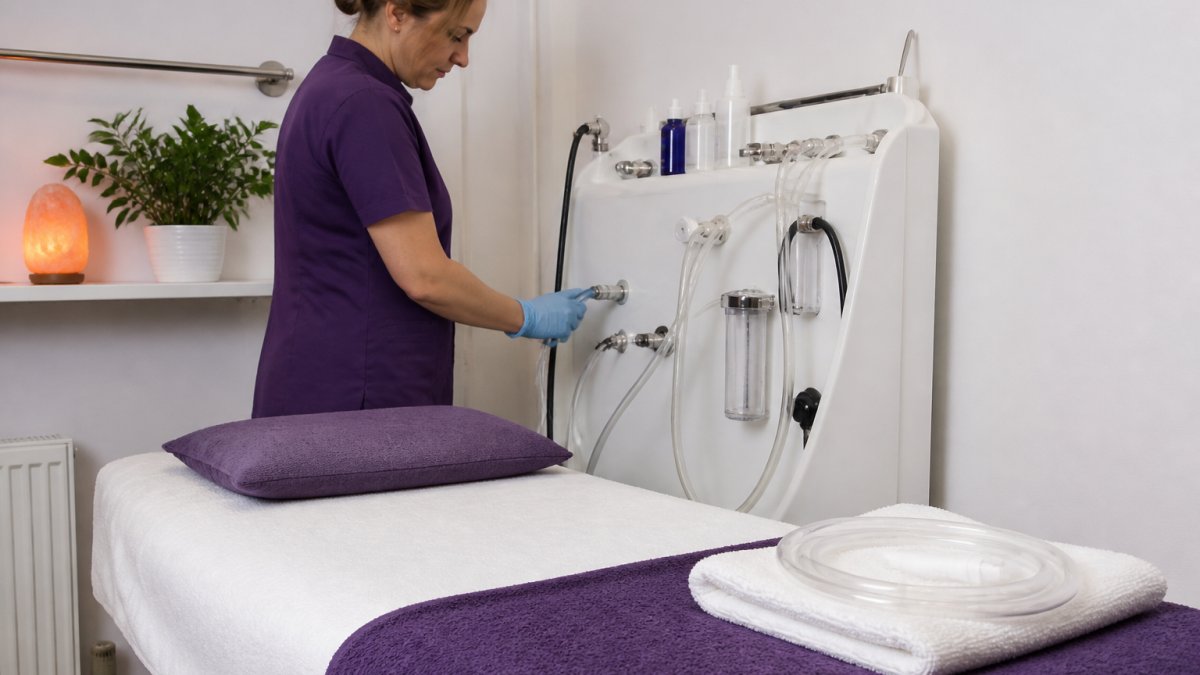
Then decide your next step. For some people, a professional colonic hydrotherapy session supports digestive comfort alongside diet and habit changes. If you are wondering what happens during your first colonic session, the article walks through it step by step. Our colonic irrigation service explains the gentle LIBBE open system we use in our private clinic, and you can contact our team to ask questions before booking. Our Colonic Irrigation £59 Offer lists current pricing for your first appointment.
Chronic bloating rarely has one cause, and it rarely has one fix. The work is in the pattern: track symptoms, adjust one thing at a time, and get professional support where it helps. At Colonic Irrigation - Colon Hydrotherapy Cleansing, our qualified hydrotherapist has over 17 years of experience and uses the gentle LIBBE open system in a private, hygienic clinic. Get started with Colonic Irrigation - Colon Hydrotherapy Cleansing and take a calmer, more comfortable approach to your digestive health.
Frequently Asked Questions
What are some over-the-counter medications for bloating and gas?
Simethicone and charcoal-based products are widely sold for gas and bloating, but a 2014 review notes that evidence supporting their efficacy is limited. Digestive enzymes and antispasmodics are also used, and the Mayo Clinic lists probiotics, antibiotics, prokinetic agents and neuromodulators among options a clinician may consider for chronic bloating. No single remedy works for everyone, so it is worth discussing persistent symptoms with a pharmacist or GP before relying on any product long term.
When should persistent bloating be checked by a GP?
Book a GP appointment if bloating lasts more than a few weeks, keeps recurring, or comes with red-flag symptoms such as unexplained weight loss, blood in your stool, persistent abdominal pain, vomiting, or a change in bowel habits that does not settle. Bloating that is new and persistent, particularly in someone over 50, also warrants assessment. Your GP can review causes of chronic bloating, arrange tests if needed, and discuss whether dietary changes or other approaches are appropriate for you.
Can certain foods make chronic bloating worse?
Yes. Gas-producing foods such as beans, lentils, onions, cabbage and some cruciferous vegetables can worsen symptoms in sensitive people, as can fizzy drinks and some artificial sweeteners. Some dietary approaches, such as low-FODMAP restriction, have been studied for bloating, though results vary between individuals. Keeping a food and symptom diary helps you identify your own trigger foods rather than cutting out whole food groups unnecessarily.
How can I tell whether bloating is linked to constipation?
If your abdomen feels tight and full alongside infrequent or hard-to-pass stools, bloating and constipation are likely connected. Constipation can slow transit and allow gas to build up. Increasing fibre gradually, drinking enough water, and establishing a regular toilet routine can help. If symptoms persist despite these changes, speak to your GP before trying supplements or procedures, and consider keeping a symptom diary to track bowel movements alongside bloating.