 how-to
How to Know What Happens During Your First Colonic Session
Last Updated: October 28, 2026
Quick Summary
During your first colonic, a trained practitioner gently introduces warm, filtered water into the colon through the rectum, then helps the bowel release the water along with loosened waste. The session starts with a 10-15 minute consultation and health screening, and usually takes around 45 to 60 minutes in total, including aftercare.
- You undress privately, stay covered with a gown or towel, and lie on your left side.
- A small, sterile, single-use speculum or rectal tube is lubricated and placed in 1-2 minutes.
- Water enters slowly at low pressure, and most people feel warmth and fullness rather than pain.
- Release cycles last 25-35 minutes, often in several fill-and-release cycles.
- Eat lightly in the two to three hours before your appointment and drink plenty of water.
Table of Contents
- What to Expect at Your First Colonic Appointment
- The Colonic Hydrotherapy Process: Step by Step
- Should I Eat Before a Colonic?
- How Long Does a Colonic Session Take?
- Colonic Hydrotherapy Contraindications and When to Speak to a Clinician
- What Does a Colonic Feel Like and What Happens Afterwards?
- Book Your First Colonic Session
- Frequently Asked Questions
What to Expect at Your First Colonic Appointment
A first colonic session is a guided bowel irrigation treatment where a trained practitioner gently introduces filtered water into the colon through the rectum, then helps the bowel release the water along with loosened waste. Knowing what happens next can help calm nerves.
Most people arrive with two questions. What actually happens during a first colonic session? And will it hurt? The short answer: it is a private treatment.
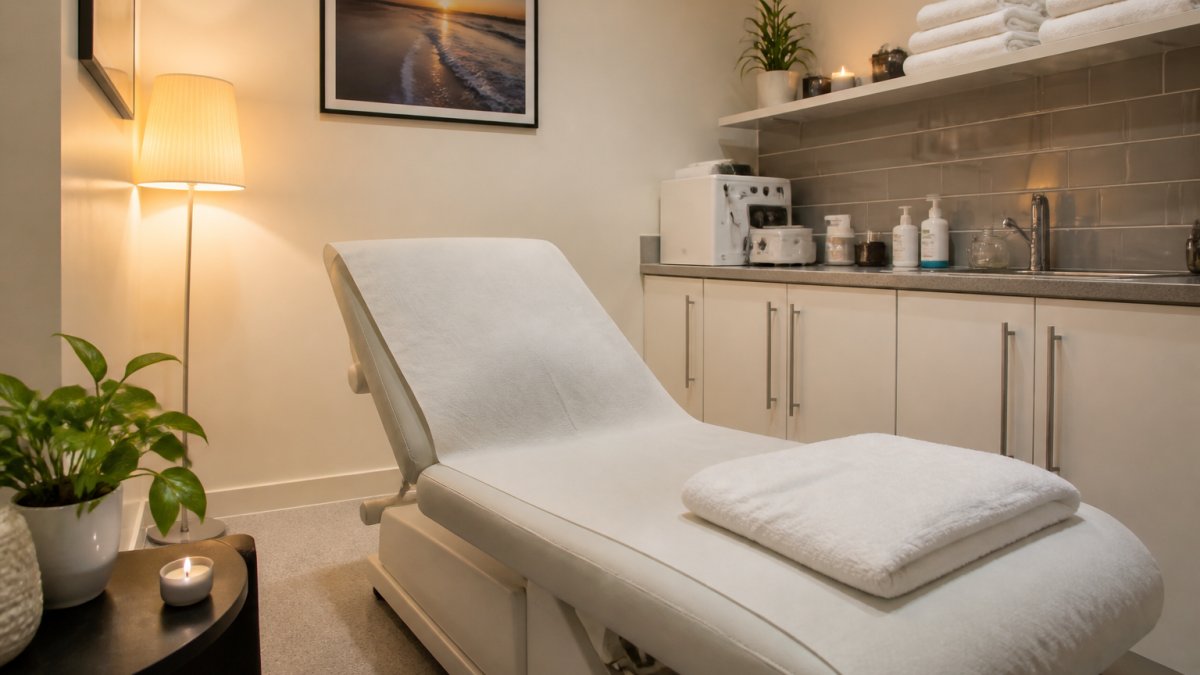
The Colonic Hydrotherapy Process: Step by Step
- Welcome and consultation (10-15 minutes), your health history, medication, recent surgery and digestive goals are discussed, and you are asked to sign a consent form
- Changing and settling in (5 minutes), you undress privately from the waist down, are given a gown or towel to stay covered, and lie on your left side on the couch
- Gentle insertion (1-2 minutes), a small, sterile, single-use speculum or rectal tube is lubricated and placed; you are told before it happens and can ask to pause
- Water flow begins (2-3 minutes to settle), warm, filtered water enters slowly at low pressure; most people feel warmth and a sense of fullness rather than pain
- Release cycles (25-35 minutes), water and loosened waste leave through the open system, often in several fill-and-release cycles; the practitioner may gently massage your abdomen to encourage movement
- Rest and review (5-10 minutes), the tube is removed, you are left to dress privately, and the session ends with a short check-in and written aftercare notes
Consultation and Health Screening
Every session starts with a private consultation. We ask about your medical history, medication, recent surgery and digestive symptoms. This screening matters: it is how we decide whether treatment is suitable for you at all. Be honest about blood-thinning medication, immunosuppressants, recent antibiotics and any diagnosed bowel condition, the practitioner uses this to set water temperature, pressure and session length, or to advise you not to proceed.
Privacy, Consent and Your Control During Treatment
- You undress privately; a gown or towel covers everything except the treatment area.
- The practitioner explains each step before doing it and asks for your agreement.
- You can ask to pause, slow the flow or stop at any point, say so out loud, and the water is turned off immediately.
- You can ask the practitioner to leave the room during release cycles if you prefer privacy; many open systems are designed for this.
- A chaperone can be requested if you would feel more comfortable.
Normal Sensations Versus Warning Signs During a Session
- Sharp or persistent pain rather than pressure
- Dizziness, faintness or sweating
- Nausea or vomiting
- An urgent need to stop
Here is how a first colonic session unfolds, from the consultation to the aftercare notes. For a fuller walkthrough of what a private colonic appointment involves, read our detailed guide.
| Step | What happens | Time |
|---|---|---|
| Welcome and consultation | Health history, medication and goals discussed; consent form signed | 10-15 minutes |
| Changing and settling in | Undress privately, covered with gown or towel, lie on left side | 5 minutes |
| Gentle insertion | Small, sterile, single-use speculum or rectal tube lubricated and placed | 1-2 minutes |
| Water flow begins | Warm, filtered water enters slowly at low pressure | 2-3 minutes to settle |
| Release cycles | Water and loosened waste leave through the open system | 25-35 minutes |
| Rest and review | Tube removed, dress privately, short check-in and aftercare notes | 5-10 minutes |
Should I Eat Before a Colonic?
Eat lightly in the two to three hours before your appointment, and drink plenty of water in the day leading up to it. A heavy meal sits in the gut and can make cramping more likely. Skip alcohol and very large meals beforehand. If you take medication, follow the advice given at booking rather than changing anything yourself.
How Long Does a Colonic Session Take?
A first colonic session usually takes around 45 to 60 minutes, including consultation and aftercare. The water flow itself is typically 30 to 40 minutes. Allow extra time for your first visit, since the health screening and explanation take longer than on repeat appointments.
Book your colon hydrotherapy session today →
Colonic Hydrotherapy Contraindications and When to Speak to a Clinician
- Known or suspected bowel disease, including Crohn's disease, ulcerative colitis, diverticulitis or bowel cancer
- Recent abdominal or bowel surgery, or an unhealed abdominal wound
- Severe heart, kidney or liver conditions, including heart failure
- Uncontrolled high blood pressure
- Pregnancy
- Active haemorrhoids, anal fissures or rectal bleeding
- Severe anaemia or electrolyte imbalance
- A history of eating disorders or recent unexplained weight loss
Mayo Clinic's guidance on colon cleansing lists cramping, bloating, diarrhoea and upset stomach as possible reactions. These are not assumed to be harmless. Our colonic irrigation FAQ covers safety, preparation and contraindications in more detail before you book.
Questions to Ask When Choosing a Provider
- What training and professional insurance does the practitioner hold?
- Is the equipment single-use, or how is it sterilised between clients?
- What water filtration is used, and how often are filters changed?
- What is the clinic's emergency procedure if you faint or feel unwell?
- Can you pause or stop at any time, and is a chaperone available?
- What health screening is done before treatment, and who reviews it?
What Does a Colonic Feel Like and What Happens Afterwards?
Hsu et al.'s pilot study on colonic irrigation for IBS reported possible improvement in abdominal pain, constipation and diarrhoea, while noting the impact remained uncertain. Borghini et al.'s 2026 review describes transanal irrigation and colon hydrotherapy as emerging options that may complement first-line care. Our aftercare guide sets out what to eat, drink and expect in the hours after treatment.
Book Your First Colonic Session
Our qualified hydrotherapist uses the gentle LIBBE open system in a private clinic, backed by over 17 years of experience. If you are ready to try it, our Colonic Irrigation £59 Offer makes a first appointment easy to arrange.
book your colonic irrigation session or contact us with any questions first.
Frequently Asked Questions
What are the contraindications for colonic hydrotherapy?
Colonic hydrotherapy contraindications include recent abdominal or bowel surgery, severe anaemia, uncontrolled high blood pressure, heart disease, kidney disease, and active inflammatory bowel conditions such as Crohn's disease or ulcerative colitis. Pregnancy is also a reason to postpone. Because this list is not exhaustive, a qualified hydrotherapist will screen you with a health questionnaire and may ask you to check with your GP before proceeding. Never book a first colonic without disclosing your full medical history.
What does a colonic feel like?
Most people describe a first colonic as a mild internal pressure, similar to the urge to open your bowels, rather than pain. Warm filtered water flowing in and out can cause temporary cramping or a feeling of fullness in the lower intestinal tract. The hydrotherapist controls the water pressure and can pause at any time. Discomfort is usually brief and eases once gas or stool is released. Mention any sharp pain immediately so the practitioner can adjust the flow.
How long does it take to have a bowel movement after colon hydrotherapy?
Many people have a bowel movement within a few hours to a day after a session, though timing varies. The treatment softens and loosens waste material in the large intestine, so the next stool may come sooner than usual. Some clients find their bowel movements settle into a more regular pattern over the following days. If you have no bowel movement for more than two days, or you notice blood or severe pain, contact your GP.
Should I eat before a colonic?
Eat a light meal around two hours before your appointment rather than arriving on an empty stomach or immediately after a heavy meal. A small portion of something easy to digest, such as toast or a banana, is usually enough. Avoid large, fatty or spicy meals on the day. Staying hydrated with water beforehand helps the colonic hydrotherapy process run more comfortably. If you have diabetes or take medication that affects blood sugar, ask your practitioner for specific guidance.