 how-to
Does Colonic Irrigation Help Constipation?
Last Updated: October 26, 2026
Quick Summary
Colonic irrigation may help some people with chronic constipation, but the evidence is small, uneven and often indirect, so it is not a cure or a substitute for medical care. The strongest case is a supervised trial in selected patients after diet, fluids and laxative trials have been tried. It is not a first-line treatment.
- A 2026 review found potential benefit but flagged that much supporting evidence comes from small pilot studies.
- In one study of 175 patients, nausea and abdominal cramping were each reported by 9% of patients.
- Home rectal irrigation is a prescribed routine set up by a continence nurse or specialist, not a self-booked appointment.
- Skip colonic irrigation or get medical clearance first if you have a bowel blockage, active IBD or unexplained rectal bleeding.
- A typical private clinic session runs about 30 to 45 minutes, with the appointment itself taking longer.
Table of Contents
- What Colonic Irrigation Actually Is
- Does Colonic Irrigation Help Constipation?
- Bowel Irrigation for Constipation at Home vs in Clinic
- Chronic Constipation Treatment: Where Irrigation Fits
- Colonic Irrigation Risks and Who Should Avoid It
- What Happens During a Session
- Booking a Consultation at Body & Soul Zone
- Frequently Asked Questions
What Colonic Irrigation Actually Is
Colonic irrigation is the practice of flushing the large intestine with filtered water through the rectum, using a controlled device and a gentle, low-pressure flow. At Body & Soul Zone, we describe it as a form of bowel irrigation that aims to clear stool buildup and support bowel regularity.
It is not a cure, and it is not a substitute for medical care. That distinction matters, because the evidence base is thinner than most clinics admit.
Irrigation, Colon Cleansing and Bowel Preparation: Key Differences
The three terms get used interchangeably. They should not be.
- Bowel preparation is a clinical procedure. It clears the colon before surgery or a colonoscopy, using prescribed laxatives under medical direction.
- Colon cleansing is a broad marketing term. It covers teas, supplements, enemas and commercial hydrotherapy sessions.
- Rectal irrigation, also called transanal irrigation, is a clinician-prescribed system. A person uses it at home to manage bowel dysfunction, often after nerve or sphincter problems.
Commercial colonic hydrotherapy sits closest to colon cleansing. Medically supervised rectal irrigation is a different treatment with a different evidence base. Keep them apart in your mind.
For a fuller explanation of the mechanics, see how does colonic irrigation work.
Does Colonic Irrigation Help Constipation?
The honest answer is: possibly, for some people, with clear limits. The evidence is promising in places but small, uneven and often indirect.
A 2026 review in Gastroenterology Insights on transanal irrigation and colon hydrotherapy examined both approaches for chronic constipation. It noted potential benefit, but flagged that much of the supporting evidence comes from small pilot studies. That is not a ringing endorsement.
How Strong Is the Evidence, Really?
Most pages in this space either overstate the research or dismiss it outright. A more useful approach is to grade what exists.
- Small sample sizes. Several studies follow fewer than 200 participants, which limits how confidently results can be generalised to the wider population of people with chronic constipation.
- Mixed interventions. Trials often combine irrigation with diet changes, laxatives or abdominal massage, so it is hard to isolate how much of any improvement came from the irrigation itself.
- Short follow-up. Many studies report outcomes over weeks rather than months or years, so durability of benefit is uncertain.
In plain terms: the evidence is enough to justify a supervised trial in selected patients, not enough to promise a result.
What the Research Shows
One study followed 175 patients with chronic constipation who had high-volume colon irrigation between August 2016 and January 2018. Nausea and abdominal cramping were among the most common side effects, each reported by 9% of patients, according to Healio's report on the colon irrigation study.
A separate study of a mechanical colon-cleansing device found that colonic irrigation lessened abdominal pain, constipation and diarrhoea in people with IBS, per Alemrajabi and co-authors on mechanical colon cleansing. The published summary does not give enough detail to judge how large that effect was.
For context on how common the problem is: functional constipation affects roughly 12% of adults, and IBS with constipation about 4%, according to a review. If you want a deeper look at the constipation angle specifically, read our guide to the benefits of hydrotherapy for constipation.
Which Patients Might Benefit Most
A common pattern in clinical practice is that irrigation helps most where there is a mechanical or neurological reason the bowel cannot empty properly, rather than simple slow transit alone. That includes people with:
- Incomplete emptying or a sensation of blockage despite soft stool
- Bowel dysfunction after nerve injury, spinal cord injury or pelvic surgery
- Chronic constipation that has not responded to diet, fluids and appropriate laxative trials
It is less clearly supported for people whose constipation is driven mainly by diet, medication side effects or slow transit without an emptying problem. For those groups, standard treatments should be optimised first.
Bowel Irrigation for Constipation at Home vs in Clinic
Home bowel irrigation for constipation is a prescribed routine. Clinic colonic hydrotherapy is a commercial appointment. They are not the same service, and mixing them up is where people come unstuck.
Feature | Home rectal irrigation | Clinic colonic hydrotherapy |
|---|---|---|
Who sets it up | Continence nurse or specialist | Self-booked appointment |
Equipment | Prescribed cone or catheter system | Clinic-based open or closed system |
Typical frequency | Daily or every other day | Occasional sessions |
Main aim | Manage bowel incontinence and incomplete emptying | Relieve bloating and stool buildup |
Evidence base | Established in bowel management | Small studies, mixed quality |
A clinician-guided home routine usually follows a set pattern:
- Choose a consistent time of day, often after a meal when the gut is most active.
- Use the prescribed water volume and temperature, not more.
- Keep the flow slow. Stop if you feel cramping.
- Log the result: stool type, completeness, any pain.
- Review the log with your nurse or GP every few months.
Watch out: never increase the water volume to chase a better result. More water does not mean more relief, and it raises the risk of cramping and discomfort.
Chronic Constipation Treatment: Where Irrigation Fits
Irrigation is not a first-line chronic constipation treatment. It sits near the end of the queue, after simpler options have been tried.
The usual order looks like this:
- Diet and fluid: more fibre and water, slowly increased.
- Movement: regular activity to support bowel motility.
- Laxatives: bulk-forming, osmotic or stimulant, guided by a GP.
A 2024 position paper argued that the effectiveness of colonic irrigation in chronic constipation cannot be judged separately from transanal irrigation, per the position paper on transanal irrigation.
Book your colon hydrotherapy session today →
If your GP has only suggested more fibre, that is a reasonable starting point, not a dismissal. Give it a fair trial first.
Colonic Irrigation Risks and Who Should Avoid It
Colonic irrigation risks are real, and the biggest one is having it when you shouldn't.
The Mayo Clinic's guidance on colon cleansing is blunt: colon cleansing is not needed for detoxification and can cause complications. It may worsen symptoms in people with colitis or a blocked intestine.
Common Side Effects
Most reactions are mild and settle within a day. They include:
- Nausea and abdominal cramping
- Bloating and wind
- Dizziness or feeling faint
These are not a sign that something has gone wrong, but they should be logged and mentioned at your review.
Who Should Not Have It
Skip colonic irrigation, or get medical clearance first, if you have:
- A known or suspected bowel blockage or stricture
- Active inflammatory bowel disease such as ulcerative colitis or Crohn's disease
- Recent bowel surgery or a recent colonoscopy with biopsy
- Severe heart, kidney or liver problems
If any of these apply, the right next step is a conversation with your GP, not a booking.
Red Flags: When to Stop and Seek Help
Stop the session immediately and seek medical advice if you develop:
- Severe or worsening abdominal pain
- Rectal bleeding that is more than a small streak
- Feeling faint, clammy or confused
- Fever, shivering or signs of infection
Seek urgent care (call 111 or 999 in an emergency) if pain is severe, the abdomen becomes hard and tender, or you cannot pass stool or wind at all. Those features can suggest a blockage or perforation, which are rare but serious.
How to Reduce Risk
- Have a proper consultation that covers your full medical history and medicines
- Use single-use equipment and a trained practitioner
- Follow the prescribed volume, temperature and flow rate exactly
- Keep a symptom log and bring it to your review
For detailed safety and preparation answers, read our colonic irrigation FAQ.
What Happens During a Session
A typical session at a private clinic runs about 30 to 45 minutes, with the appointment itself taking longer once consultation and changing time are included. For a step-by-step walkthrough, see what to expect from private colonic hydrotherapy.
Here is the general shape of it:
- Consultation. We ask about your health history, medications and bowel habits. This is where suitability gets checked.
- Changing. You change into a gown in a private room.
- Set-up. A small, single-use speculum is gently inserted. Water flows in at low pressure.
- The session. You may feel mild cramping or the urge to empty your bowels. That is expected.
- Massage. Some therapists massage the abdomen to encourage movement.
- Finish. You use the toilet, then rest briefly before leaving.
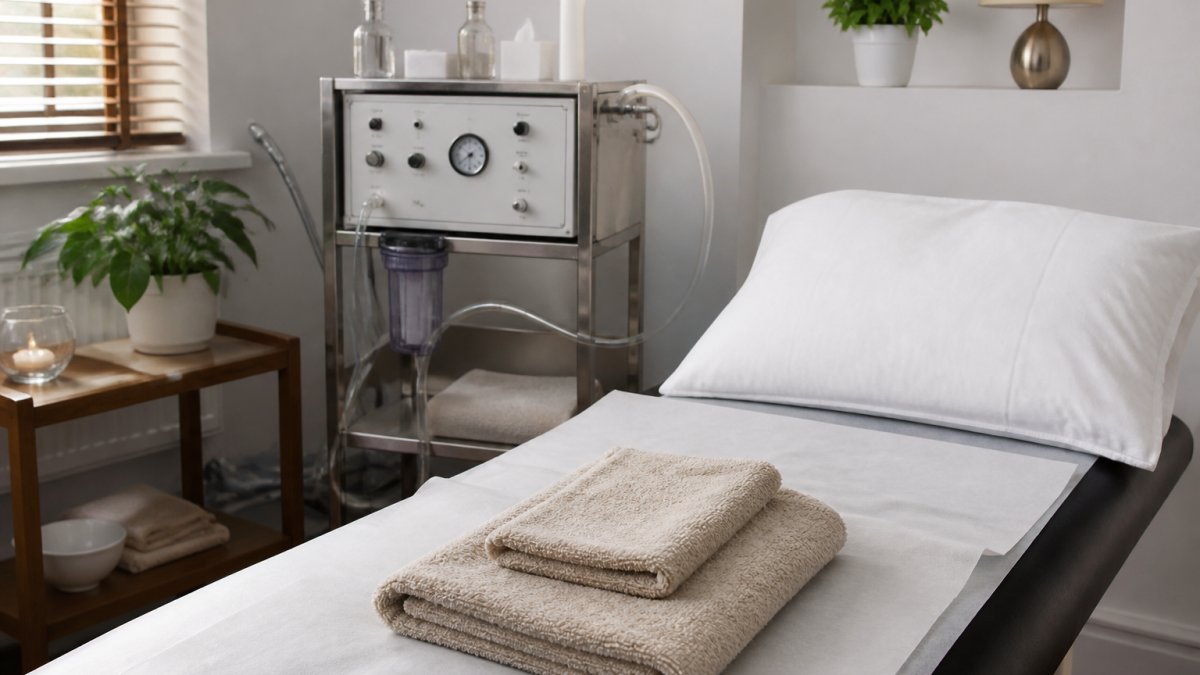
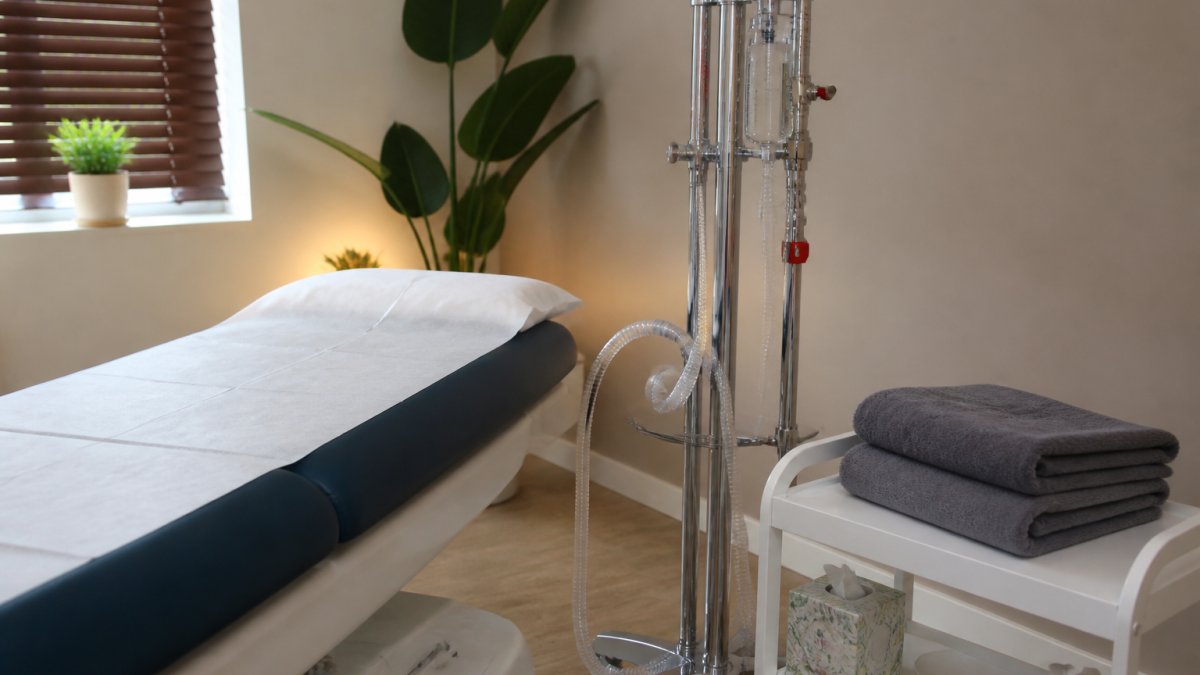
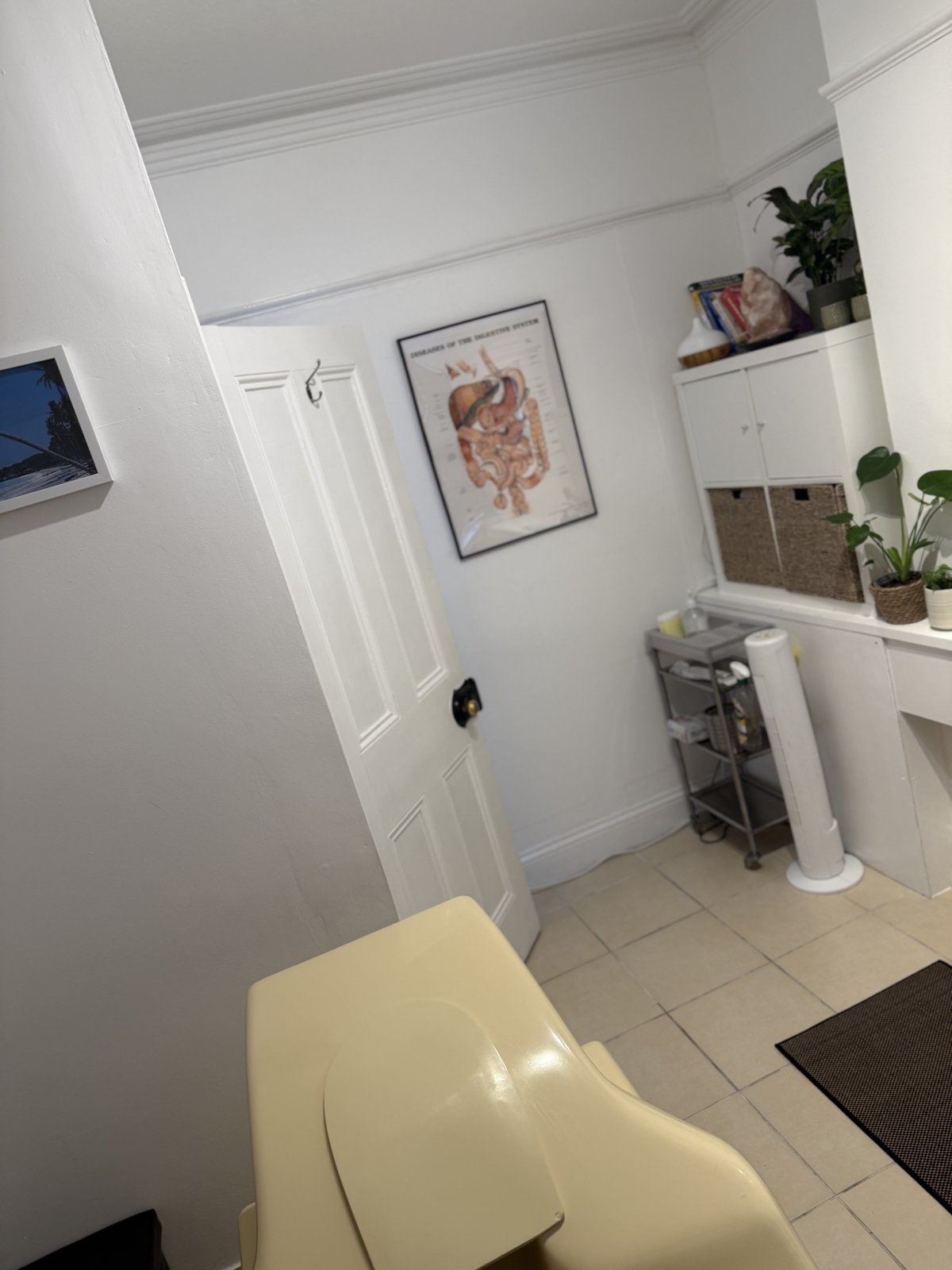
At Body & Soul Zone, our qualified hydrotherapist uses the gentle LIBBE open system in a private, hygienic clinic. The environment is calm and private, which matters if you feel nervous.
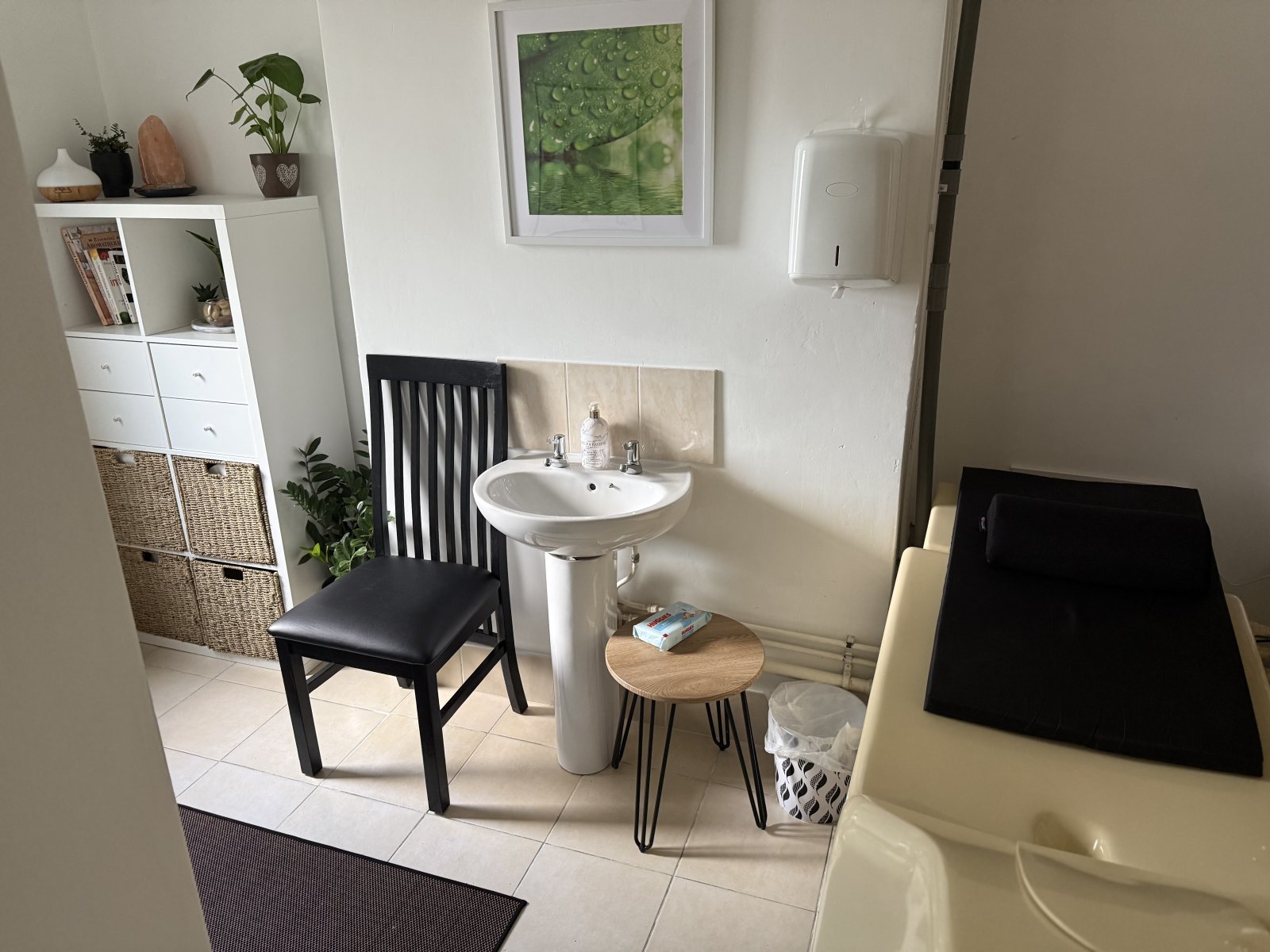
A calm, softly lit private treatment room in a hygiene-focused clinic, with a hydrotherapist in gloves preparing gentle single-use equipment beside a comfortable reclining chair
Booking a Consultation at Body & Soul Zone
Constipation that has lasted months deserves a proper conversation, not a guess.
Our sessions use the gentle LIBBE open system and take place in a private clinic. You get a consultation before anything else, so your questions get answered first.
If you are ready to take the next step, you can book a colonic irrigation session and see current availability.
Frequently Asked Questions
Will a colonic help with chronic constipation?
It may ease symptoms for some people, but the evidence is limited. A review of transanal irrigation and colon hydrotherapy noted potential benefit while pointing to small pilot studies, so results are not guaranteed. A 2018 study of 175 patients with chronic constipation found high-volume colon irrigation was generally well tolerated, with nausea and abdominal cramping each reported by around 9% of patients and no serious adverse effects. Speak to a qualified clinician before booking, especially if your constipation is long-standing.
What are the main colonic irrigation risks?
Common side effects include nausea, abdominal cramping, bloating and digestive discomfort. The Mayo Clinic warns that colon cleansing is not needed for detoxification and can cause complications, and it may worsen symptoms in people with colitis or a blocked intestine. Anyone with a known bowel condition, recent surgery or unexplained symptoms should get medical advice first. A qualified hydrotherapist will screen you before treatment and explain when to stop.
What is the difference between colonic irrigation and prescribed bowel irrigation?
Prescribed bowel irrigation, often called transanal irrigation, is a clinically supervised technique taught by a nurse or specialist, usually for bowel management in conditions such as neurogenic bowel dysfunction or chronic constipation. Colonic irrigation in a wellness clinic is a complementary therapy, not a prescribed treatment. A position paper stressed that the effectiveness of colonic irrigation cannot be judged separately from transanal irrigation, so treat the two as distinct and ask your GP or specialist which applies to you.
How long does it take to have a bowel movement after a colonic?
There is no fixed timeline and it varies from person to person. Some people pass stool within a few hours, others the following day. A session clears the lower digestive tract, but normal bowel regularity depends on fluid intake, diet, activity and your underlying bowel motility. If you have not had a bowel movement for several days after treatment, or you develop pain, bleeding or fever, contact a healthcare professional.
Chronic constipation is frustrating, and quick fixes rarely hold. If you want a calm, professional setting to discuss whether colonic irrigation fits your situation, Body & Soul Zone offers a private consultation with a qualified hydrotherapist, the gentle LIBBE open system, and over 17 years of hands-on experience. Get started with Body & Soul Zone and take the first step toward feeling lighter and more comfortable.