 how-to
What to Do After Colonic Irrigation: A Step-by-Step Guide
Last Updated: October 23, 2026
Quick Summary
After colonic irrigation, rest for 2-3 hours, stay hydrated by drinking water slowly and steadily, and eat light, easily digestible foods in small portions. Most people pass residual fluid within 1-2 hours and can return to normal activities within 24 hours, though mild cramping and bloating typically settle within a few hours.
- Drink at least 2-3 litres of fluid over the first 24 hours, prioritising plain water sipped slowly.
- Eat light meals in small portions and avoid high-fibre, spicy, fatty, and dairy-heavy foods for the first 24 hours.
- Expect your first solid bowel movement within 24-48 hours; softer or more frequent stools are normal for 3-5 days.
- Avoid strenuous exercise and heavy lifting for at least 24 hours; light activity like walking is fine.
- Seek medical advice if symptoms worsen after 24 hours or if you experience severe pain, fever, vomiting, or heavy bleeding.
Table of Contents
- What Happens Immediately After Colonic Irrigation
- What to Drink After a Colonic
- What to Eat After Colon Hydrotherapy
- How Long to Poop After a Colonic
- Side Effects After Colon Hydrotherapy
- Returning to Normal Daily Activities
- When to Seek Medical Advice
- Probiotics and Gut Balance After Treatment
- Frequently Asked Questions
What Happens Immediately After Colonic Irrigation
After a colonic irrigation session, your body needs time to settle, the first few hours are crucial for recovery.
Immediately after treatment, you may feel a slight urge to use the toilet.
You might experience mild cramping or gurgling as your digestive system adjusts; these sensations typically fade within a few hours.
Rest for at least 2-3 hours if possible; light activity is fine, but strenuous exercise should wait until the following day.
What to Drink After a Colonic
Hydration is the single most important factor in your recovery after colonic irrigation.
Start drinking water immediately after your session, sipping slowly.
Plain filtered water is best, room-temperature or slightly warm is easier on digestion than ice-cold drinks.
Beyond water, you can include:
- Herbal teas (chamomile, ginger, or peppermint work well)
- Bone broth or vegetable broth (warm and soothing)
- Coconut water (provides electrolytes naturally)
- Fresh fruit juices diluted with water (easier to digest than neat juice)
Drinks to avoid in the first 24 hours:
- Alcohol (dehydrating and irritating)
- Caffeine in large amounts (coffee, strong tea, can overstimulate the bowel)
- Sugary fizzy drinks (can cause cramping and bloating)
- Dairy-based drinks like milk (harder to digest immediately after treatment)
Aim for at least 2-3 litres of fluid over the first 24 hours to support natural detoxification and restore normal bowel function.
What to Eat After Colon Hydrotherapy
Your digestive system needs gentle, easily digestible foods after colon hydrotherapy while your colon recovers.
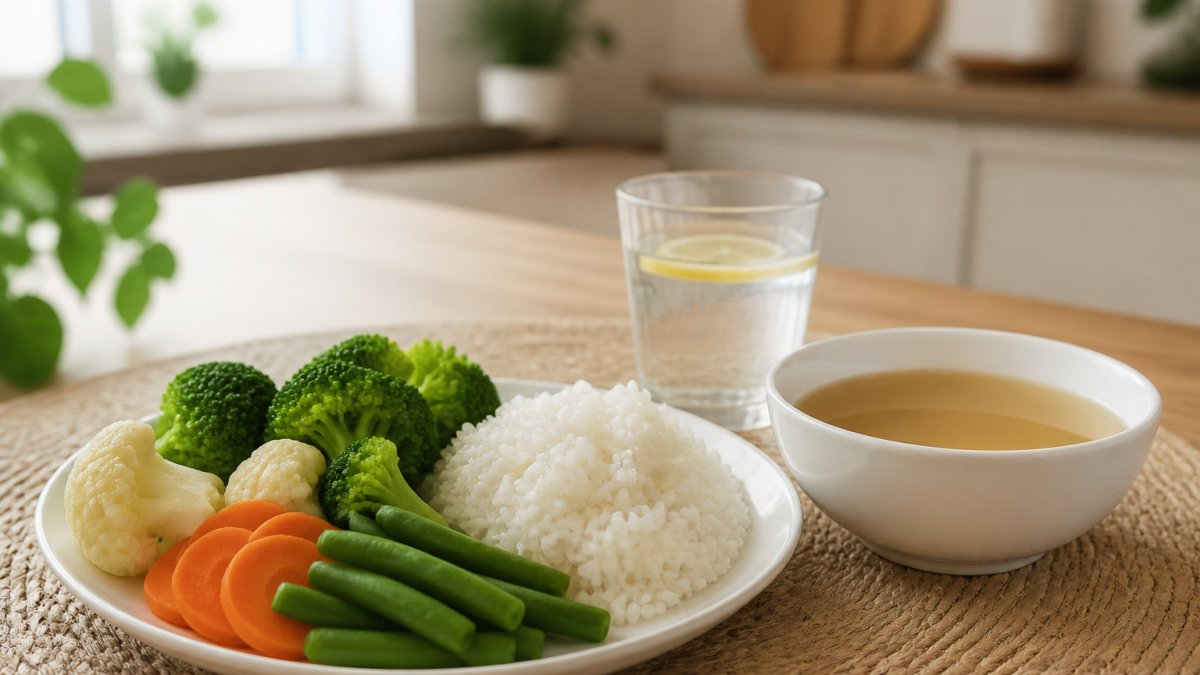
Eat light meals in small portions and start with foods requiring minimal digestive effort.
Best foods to eat after treatment:
- Steamed or boiled vegetables (carrots, courgettes, broccoli, sweet potato)
- Plain white or brown rice
- Oatmeal or porridge made with water or plant-based milk
- Bone broth or light vegetable soup
Eat slowly and chew thoroughly, spacing meals out, small amounts every 2-3 hours.
Most people can return to their normal diet within 24-48 hours; if you have a sensitive digestive system or IBS, take longer to reintroduce regular foods.
Foods to Avoid in the First 24 Hours
Certain foods can irritate your colon during recovery. Steer clear of these for at least the first day:
- High-fibre foods (raw salads, whole grains, beans, they work too hard in early recovery)
- Processed foods and takeaways (additives and excess salt irritate)
- Spicy foods (can trigger cramping and discomfort)
- Fatty or greasy foods (difficult to digest immediately after treatment)
If certain foods trigger discomfort, skip them for a few more days.
How Long to Poop After a Colonic
After colonic irrigation, your bowel movements change temporarily. Knowing the timeline helps you recognise what's normal.
Most people pass residual fluid within 1-2 hours of treatment, with several trips to the toilet as the body expels the irrigation water.
Expect your first solid bowel movement within 24-48 hours, some people experience one within hours, others after a full day. Both are normal.
During the first few days after treatment:
- Stools may be softer or more frequent than usual
- You might notice changes in colour (lighter or darker depending on what you eat)
- Bowel movements may be less predictable in timing
- Cramping sensations may accompany bowel movements
These changes settle within 3-5 days as your digestive system reestablishes its rhythm. If you haven't had a bowel movement within 48 hours, or feel no urge at all, contact your hydrotherapist.
Side Effects After Colon Hydrotherapy
Most people experience minimal side effects after colon hydrotherapy. The key distinction is between transient aftercare sensations, the normal settling of a flushed colon, and symptoms that suggest something has gone wrong.
Expected sensations and why they happen
Mild cramping is the most common after-effect, reflecting the colon contracting as it expels residual water and re-establishes its rhythm. It typically eases within a few hours; gentle movement, warm liquids, and rest help.
Other common, temporary effects include:
- Bloating or a feeling of fullness, residual fluid and gas passing through the bowel, usually settling within hours
- Mild nausea, often linked to vagal stimulation during the procedure; sipping water and resting usually settles it
- Fatigue, the body has been through a physical intervention and a large fluid shift; rest is the appropriate response
- Gurgling or rumbling, normal peristaltic activity returning
These sensations peak in the first two to four hours and are largely gone by the next morning. If they are still troubling after 24 hours, check in with your hydrotherapist.
Book your colon hydrotherapy session today →
What the evidence actually says
Aftercare advice is often presented with more certainty than the research supports. UK clinicians caution that colon cleansing can cause cramping, bloating, diarrhoea, nausea, and vomiting, and that rare serious complications such as perforation or electrolyte disturbance are possible. That is why your practitioner's qualification and technique matter more than any aftercare product.
Red flags that are not normal aftercare
The following are not expected recovery sensations and warrant prompt medical assessment:
- Severe or worsening abdominal pain, or a rigid, distended abdomen
- Rectal bleeding or significant blood in the stool beyond a small streak in the first few hours
- Persistent vomiting or inability to keep fluids down
- Fever, chills, or signs of infection
If you have a long-term condition such as inflammatory bowel disease, diverticular disease, or a heart or kidney condition, or if you are pregnant or have recently had abdominal surgery, general aftercare advice may not apply to you. Speak to your GP before booking, and follow their guidance on aftercare rather than generic advice.
Returning to Normal Daily Activities
You can resume most daily activities within hours of your colonic irrigation session. However, timing matters.
For the first 2-3 hours, take it easy and rest at home if possible. Avoid strenuous activity, heavy lifting, or intense exercise while your body stabilises.
Light activities are fine:
- Gentle walking
- Quiet work (desk-based tasks)
- Reading or watching television
- Light stretching or yoga
Wait at least 24 hours before:
- Intense exercise or gym sessions
- Heavy lifting or manual labour
- Competitive sports
- Sauna or steam room use (you need to rebuild hydration first)
Most people return to their normal routine the next day, but listen to your body: rest longer if fatigued, and gentle activity is fine if energised.
Many people book their session in the afternoon or evening so they can rest at home afterwards.
When to Seek Medical Advice
Most aftercare proceeds smoothly, but a time-based escalation guide makes it easier to know when to pick up the phone.
A practical escalation timeline
In the first few hours: mild cramping, gurgling, bloating, and a strong urge to pass residual fluid are expected. Rest, sip water, and stay near a toilet. No action needed beyond self-care.
Within 24 hours: if mild symptoms haven't settled, or you develop fever, persistent vomiting, or dizziness that doesn't improve with rest and fluids, contact your hydrotherapist or NHS 111.
Beyond 48-72 hours: if you haven't had a bowel movement, diarrhoea persists beyond three days, or abdominal pain is worsening rather than easing, contact your GP. Persistent symptoms after any invasive procedure deserve proper assessment rather than watchful waiting.
Contact your GP or hydrotherapist promptly if you experience
- Severe or persistent abdominal pain lasting more than a few hours
- Blood or mucus in stools beyond the first few hours
- Diarrhoea lasting more than three days
- Signs of dehydration that do not improve with rest and fluids
- Fever or chills
Seek urgent or emergency care if you experience
- Severe abdominal pain or a rigid, distended abdomen
- Vomiting that will not stop
- Heavy rectal bleeding or large amounts of blood in stools
- Fainting, confusion, a rapid heartbeat, or other signs of shock
- Difficulty breathing
In the UK, call 111 for urgent advice that is not a 999 emergency, or 999 / attend A&E for severe symptoms. These complications are rare with professional treatment, but they are why qualification and hygiene standards matter.
When general advice may not apply to you
Standard advice assumes a healthy adult with no relevant medical history. It may not apply if you:
- Are pregnant or breastfeeding
- Have inflammatory bowel disease (such as Crohn's disease or ulcerative colitis), diverticular disease, or a history of bowel surgery
- Have a heart condition, kidney disease, or take medicines that affect fluid balance or blood pressure
- Have recently had abdominal, pelvic, or rectal surgery
- Take anticoagulants or have a bleeding disorder
If any of these apply, speak to your GP before treatment and ask your hydrotherapist what aftercare adjustments they recommend, rather than relying on generic advice.
Probiotics and Gut Balance After Treatment
After colonic irrigation, gut bacteria are flushed away along with waste matter, so rebuilding microbial balance is part of recovery.
Your gut naturally repopulates within days, but the right foods help.
Probiotic-rich foods include:
- Fermented foods (sauerkraut, kimchi, tempeh)
- Kefir or yoghurt with live cultures
- Miso soup
- Kombucha (in moderation)
- Naturally fermented pickles
Prebiotic foods feed your beneficial bacteria:
- Garlic and onions
- Asparagus
- Bananas
- Oats
- Chicory root
Probiotic supplements are popular but not essential, your gut rebalances naturally with a healthy diet.
Avoid antibiotics if possible during this recovery window, as they kill both harmful and beneficial bacteria.
Most people notice improved digestion, reduced bloating, and better energy as their gut returns to balance.
Colonic irrigation can support digestive health and relieve bloating or constipation, and the days after your session are critical for maximising these benefits.
Frequently Asked Questions
What should you drink after colonic irrigation?
Hydration is essential after colonic irrigation. Drink plenty of filtered water or coconut water to replenish fluids lost during treatment. Start with small sips and gradually increase intake over the first few hours. Herbal teas like chamomile or ginger can also support digestive comfort. Avoid alcohol, caffeine and sugary drinks for at least 24 hours, as these can irritate your digestive system and undo the benefits of treatment.
How long after a colonic will I have bowel movements?
Most people experience bowel movements within the first few hours after colonic irrigation, though this varies. Some may notice activity within 30 minutes, whilst others may wait 4-6 hours. Your stools may be softer or more frequent than usual for 24-48 hours as your colon adjusts. If you have no bowel movements within 24 hours, this is usually normal, but contact your practitioner if you experience discomfort or have concerns about your recovery.
Is colonic irrigation actually beneficial, or is it just a wellness trend?
Research on colonic irrigation remains limited. However, the Mayo Clinic warns that colon cleansing can cause side effects and is not established as a way to improve health. Speak with your GP about whether colonic irrigation is appropriate for your specific condition.
What are common side effects after colon hydrotherapy?
Mild side effects are normal and typically resolve within 24-48 hours. You may experience cramping, bloating, gurgling sounds, or loose stools. Some people feel temporary fatigue or mild discomfort. These effects reflect your digestive system re-establishing its natural rhythm. Drink plenty of water, rest and eat lightly to support recovery. However, if you experience severe abdominal pain, persistent vomiting, rectal bleeding, or signs of dehydration, seek medical advice immediately.