 ultimate-guide
Colonic Irrigation for Bloating: What to Know
Last Updated: November 4, 2026
Quick Summary
Colonic irrigation is a procedure in which warm water is passed gently into the colon through the rectum to encourage a bowel movement and clear compacted stool. It may bring short-term relief from a backed-up bowel, but it does not treat the underlying cause of recurring bloating, and the evidence for symptom relief remains thin.
- Normal colonic transit runs between 20 and 72 hours, and slowed transit is often linked with bloating.
- A 2016 pilot study by H.H. Hsu and colleagues found the impact of irrigation on IBS symptoms remains uncertain.
- Cleveland Clinic warns hydrotherapy can disturb normal colon function and, in rare cases, cause perforation.
- Severe pain, a hard swollen abdomen, vomiting, fever or rectal bleeding after a session need urgent medical attention.
- Consider irrigation only as an occasional adjunct, not a replacement for diet, fluid, activity and GP assessment.
Table of Contents
- Colonic Irrigation for Bloating: What the Evidence Actually Shows
- How the Procedure Works
- Colonic Hydrotherapy Benefits and Risks
- What to Expect During Colonic Irrigation
- Bloating After Colonic Irrigation: Normal or a Warning Sign?
- Colonic Irrigation Alternatives for Bloating
- When to Speak to a GP About Bloating
- Booking a Colonic Irrigation Session
- Frequently Asked Questions
Colonic Irrigation for Bloating: What the Evidence Actually Shows
Bloating is one of the most common digestive complaints, and colonic irrigation for bloating is often suggested as a way to relieve it. The evidence, however, is more cautious than the marketing suggests. A 2026 review in the MDPI journal Gastrointestinal Disorders notes that normal colonic transit runs between 20 and 72 hours and that slowed transit is frequently linked with bloating and abdominal pain. We believe you deserve an honest picture before you book anything, so this guide separates what irrigation can reasonably do from what it cannot.
Colonic irrigation is a procedure in which warm water is passed gently into the colon through the rectum to encourage a bowel movement and clear compacted stool. It is also called colon hydrotherapy or colon cleansing.
Below, we explain how a session works, what the evidence says about symptom relief, the risks, and when bloating needs a GP rather than a therapist.
How the Procedure Works
A trained hydrotherapist introduces a small speculum into the rectum and lets warm water flow into the large intestine. The water softens stool and stimulates the bowel, and the outflow carries waste away.
Irrigation works on the lower digestive tract only. It does not treat the underlying cause of sluggish transit, dietary triggers, or conditions such as irritable bowel syndrome (IBS). That distinction matters: the procedure may bring short-term relief from a backed-up bowel, but it is not a treatment for the cause of recurring bloating.
Colonic Hydrotherapy Benefits and Risks
The claimed benefits centre on symptom relief: softening stool, releasing trapped gas, and restoring a sense of bowel regularity. A small pilot study by H.H. Hsu and colleagues in 2016 reported that colonic irrigation may improve abdominal pain, constipation and diarrhoea linked to IBS, though the authors noted the impact remains uncertain. That is the honest position: some people report feeling lighter, but the evidence base is thin.
The risks are real. Cleveland Clinic's guidance on colon cleansing warns that hydrotherapy can disturb normal colon function and, in rare cases, cause perforation. Other possible adverse effects include cramping, dehydration, electrolyte imbalance and infection risk if equipment hygiene is poor. A 2026 TIME report on colon hydrotherapy safety summarises medical experts' concerns that the treatment carries risks and does not address root causes.
Who Should Avoid It
Irrigation is not suitable for everyone, and you should speak to a qualified professional before treatment. The following groups should not proceed without written clearance from their GP or specialist:
- Pregnancy, any stage, because of the risk of stimulating uterine contractions and the difficulty of managing complications.
- Known heart or kidney disease, including heart failure and uncontrolled hypertension, because fluid and electrolyte shifts can be poorly tolerated.
- Severe anaemia or unexplained fatigue with pallor, which needs investigation before any elective procedure.
- Active inflammatory bowel disease, ulcerative colitis or Crohn's disease, where the bowel wall is already inflamed and more fragile.
- Diverticulitis, acute or recent, and any history of colon perforation.
- Recent bowel surgery or a recent colonoscopy with biopsy or polypectomy, until the clinician who performed it confirms healing.
- Active infection, including gastrointestinal infections, or a fever of unknown cause.
- Certain medications, anticoagulants such as warfarin or direct oral anticoagulants, and drugs that affect electrolytes or blood pressure, should be discussed with the prescriber first.
A qualified therapist should also decline treatment if you cannot give a clear medical history, if you have severe abdominal pain or a rigid abdomen on the day, or if you are unable to consent. If any of the above apply, speak to your GP before booking; a good practitioner will welcome that conversation rather than talk you out of it.
Watch out: a therapist who does not ask about your medications, recent procedures or family history of bowel disease is not screening you properly, however reassuring the consultation feels.
The article sets out who should not have colonic irrigation without medical clearance.
| Group | Reason to avoid or delay |
|---|---|
| Pregnancy | Risk of stimulating uterine contractions |
| Heart or kidney disease | Fluid and electrolyte shifts poorly tolerated |
| Severe anaemia | Needs investigation before elective procedure |
| Active inflammatory bowel disease | Bowel wall inflamed and fragile |
| Diverticulitis or past perforation | Acute or recent diverticulitis; perforation history |
| Recent bowel surgery or colonoscopy with biopsy | Wait until clinician confirms healing |
| Active infection or fever | Infection risk; fever of unknown cause |
| Anticoagulants or electrolyte-affecting drugs | Discuss with prescriber first |
What to Expect During Colonic Irrigation

Many people describe a sensation of fullness or mild cramping as water enters, followed by relief as the bowel empties. For practical answers on safety and preparation, see our colonic irrigation FAQ.
Bloating After Colonic Irrigation: Normal or a Warning Sign?
Mild bloating, rumbling or gas for a few hours after a session is common and usually settles. The bowel has been stimulated and gas may shift as it empties. Drinking water and eating lightly typically helps.
Book your colon hydrotherapy session today →
Watch out: severe pain, a hard swollen abdomen, vomiting, fever, chills or bleeding from the rectum are not normal after-effects. These can signal perforation or infection and need urgent medical attention, not another session. If bloating worsens rather than eases, contact your GP or call 111. For gentle guidance on the days that follow, read our step-by-step aftercare guide.
Colonic Irrigation Alternatives for Bloating
Dietary and lifestyle change is commonly a first-line approach for many people. Increasing fibre gradually, rather than all at once, which can worsen gas, keeping a food and symptom diary, staying hydrated and moving regularly often reduce bloating without any procedure. Your GP may also suggest treatments for IBS, such as antispasmodics, laxatives for constipation-predominant symptoms, or a referral for further assessment if symptoms persist.
It helps to compare irrigation with these options honestly. Irrigation acts on the lower bowel for a short period; it does not change fibre intake, gut motility patterns, the gut microbiome or food intolerances, which are the drivers of most recurring bloating. For current pricing, please see our website. Irrigation may bring temporary relief, but the effect is not sustained without addressing the underlying cause. By contrast, dietary adjustment and treating constipation take longer to work but are supported by clinical guidance and carry far lower risk.
If bloating is your main symptom, a sensible order of steps is:
- Check for constipation and treat it with diet, fluid and, if needed, a short course of an appropriate laxative advised by a pharmacist or GP.
- Review your diet with a symptom diary, looking at fibre type, fizzy drinks, sweeteners and portion size before considering elimination diets.
- Move regularly, walking after meals and general activity support normal bowel transit.
- Ask about IBS assessment if symptoms fit the pattern, since IBS-related bloating is common and has its own evidence-based management.
- Consider irrigation only as an occasional adjunct, not a replacement for steps 1 to 4, and only after a GP has confirmed it is safe for you.
If you are weighing up whether irrigation helps IBS-related bloating, our article on whether colonic irrigation helps IBS sets out what the evidence does and does not support. Irrigation can sit alongside these measures for occasional relief, but it should not replace medical assessment of persistent symptoms.
Watch out: using irrigation as a substitute for investigating persistent bloating can delay diagnosis of conditions that are far easier to treat early, so treat any repeat-session sales pitch with caution.
When to Speak to a GP About Bloating
Bloating that persists for weeks, keeps returning, or comes with weight loss, blood in the stool, a change in bowel habit lasting more than a few weeks, or pain should be assessed by a GP. These can be signs of conditions that need investigation, and no complementary therapy is a substitute for that check.
Seek urgent help for a rigid or very tender abdomen, persistent vomiting, or fever with abdominal pain. A GP can also advise whether irrigation is safe for you given your history.
Booking a Colonic Irrigation Session
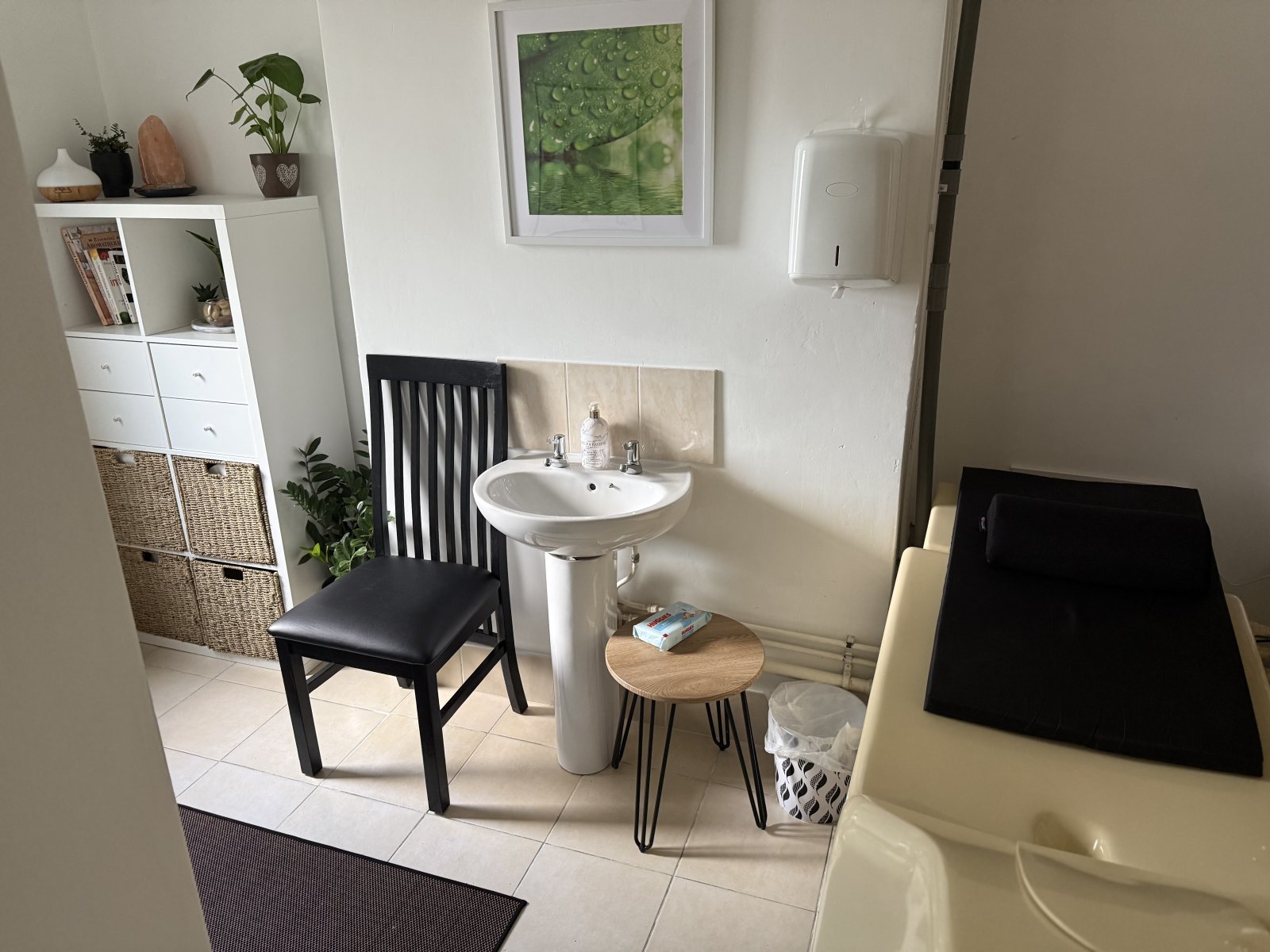
If you have read the evidence, have no red-flag symptoms, and want to try irrigation for occasional bloating and constipation, the next step is a consultation. At Colonic Irrigation - Colon Hydrotherapy Cleansing, our qualified hydrotherapist has over 17 years of experience and uses the gentle LIBBE open system in a private, hygienic clinic. You can read seven things to know before you book or view our Colonic Irrigation £59 Offer.
Frequently Asked Questions
Can colonic irrigation help with bloating?
The evidence is limited and mixed. A 2016 pilot study by Hsu and colleagues suggested colonic irrigation may improve abdominal pain, constipation and diarrhoea linked to IBS, but the authors noted the impact remains uncertain. Some people report feeling lighter afterwards, but this is not the same as proven relief. Discuss whether colonic irrigation suits you with a qualified professional first.
What are the main colonic hydrotherapy benefits and risks?
Reported benefits are mostly symptom-based: some clients describe reduced bloating, easier bowel movements and a feeling of lightness after a session. The risks are more concrete. Infection risk, dehydration and electrolyte imbalance are among the potential concerns to discuss with a qualified professional. Weigh reported relief against these documented risks before booking.
Can colonic irrigation make bloating worse?
It can. Bloating after colonic irrigation can occur for some people. If bloating is severe, lasts more than 48 hours, or comes with vomiting, cramping or fever, seek medical advice promptly. Keeping hydrated and eating lightly afterwards can help. Anyone with a history of IBS or sensitive bowels should mention this during their pre-session consultation.
How long does bloating last after colonic irrigation?
The procedure introduces warm water into the large intestine, which can leave a temporary feeling of fullness or trapped gas. Drinking water, walking gently and avoiding heavy meals on the day can speed things along. Persistent or worsening bloating beyond two days is not typical and should be checked by a GP, particularly if you also have pain, diarrhoea or vomiting.
What can I try instead of colonic irrigation for bloating?
Several evidence-based options come first. Your GP may suggest dietary changes such as increasing fibre gradually, keeping a food and symptom diary, or trying a low-FODMAP plan under dietitian guidance. Regular exercise, adequate hydration and stress management also help many people. Over-the-counter remedies for trapped gas are available. If constipation is the underlying issue, a GP can review medications and check for conditions such as IBS.
When should I speak to a GP about bloating?
Book a GP appointment if bloating is persistent, comes with unexplained weight loss, blood in your stool, a change in bowel habits lasting more than a few weeks, or pain. These can be red flags for conditions that need assessment. Do not rely on colonic irrigation to investigate symptoms like these.
Bloating deserves a proper answer, not a quick fix. If you would like to explore whether colonic irrigation is right for you, our team can talk you through the process, the aftercare and the safety checks before you decide. Get started with Colonic Irrigation - Colon Hydrotherapy Cleansing and book a consultation with our qualified hydrotherapist.