 Ultimate guide
Gentle Colonic Irrigation Methods Explained
Quick Summary
Gentle colonic irrigation usually means open-system hydrotherapy, where warm, filtered water flows in and out through separate tubes at a slow, adjustable pace. Practitioners can pause or slow the flow whenever you feel discomfort. Research on its benefits is limited, so check the provider's training and hygiene routine before booking.
- Open-system methods use a continuous flow that enters through one tube and exits through another.
- A gentle, slower flow is what most clients find comfortable, and what experienced practitioners aim for.
- Tell your therapist straight away if you feel fullness or cramping so the flow can be adjusted.
- Colon hydrotherapy is not statutorily regulated in the UK, so verify qualifications and professional membership yourself.
- People with inflammatory bowel conditions, recent bowel surgery, pregnancy or certain heart or kidney conditions should speak to their GP first.
Table of Contents
- What Colonic Irrigation Is and How the Gentle Methods Differ
- Open-System Colonic Hydrotherapy: How It Works
- What to Expect From Colonic Irrigation, Step by Step
- Colonic Irrigation Session Length and Pricing Factors
- Colonic Hydrotherapy Safety and Contraindications
- How to Choose a Qualified Practitioner and Book Your First Session
- Frequently Asked Questions
What Colonic Irrigation Is and How the Gentle Methods Differ
Last Updated: November 15, 2026
Colonic irrigation, also called colon hydrotherapy, is a treatment in which warm, filtered water is gently introduced into the large intestine and then released. Practitioners describe it as a way to support the bowel, and many people come to it after years of bloating or irregular bowel habits. The research on its benefits is limited, so it helps to understand what the treatment involves before deciding whether it suits you.
The gentler methods differ mainly in how the water enters and leaves the body. Some systems use a closed circuit, where the same water is recycled, while others use an open system, where water flows in and out through a separate tube. Open-system approaches are a common choice, and they are the focus of this guide.
When you compare providers, pay attention to how each one describes its method, its equipment and its approach to hygiene. Those details matter more than any single claim about results.
Open-System Colonic Hydrotherapy: How It Works
Open-system hydrotherapy uses a continuous flow of water that enters through a fine tube and exits through a second channel. A practitioner can typically adjust the pressure and temperature during the session, and pause or slow the flow whenever the client feels discomfort.
A common mistake is to assume that more water means a better session. In practice, a gentle, slower flow is what most clients find comfortable, and it is what experienced practitioners aim for.
Warm, Filtered Water and Gentle Introduction
Warm water is typically filtered before it reaches the client, and it is introduced slowly so the bowel can adjust rather than being filled quickly. Clients are usually asked to say when they feel any fullness or cramping, so the flow can be adjusted in response.
Equipment Standards and Hygiene
Clinics should be able to explain how their equipment is cleaned and how the water is filtered. A confident, specific answer is a good sign; a vague one is worth noting.
What to Expect From Colonic Irrigation, Step by Step
Sessions typically begin with a consultation covering your medical history, current medications and what you hope to achieve. Your therapist should explain the procedure before anything begins and confirm that you can stop at any time.
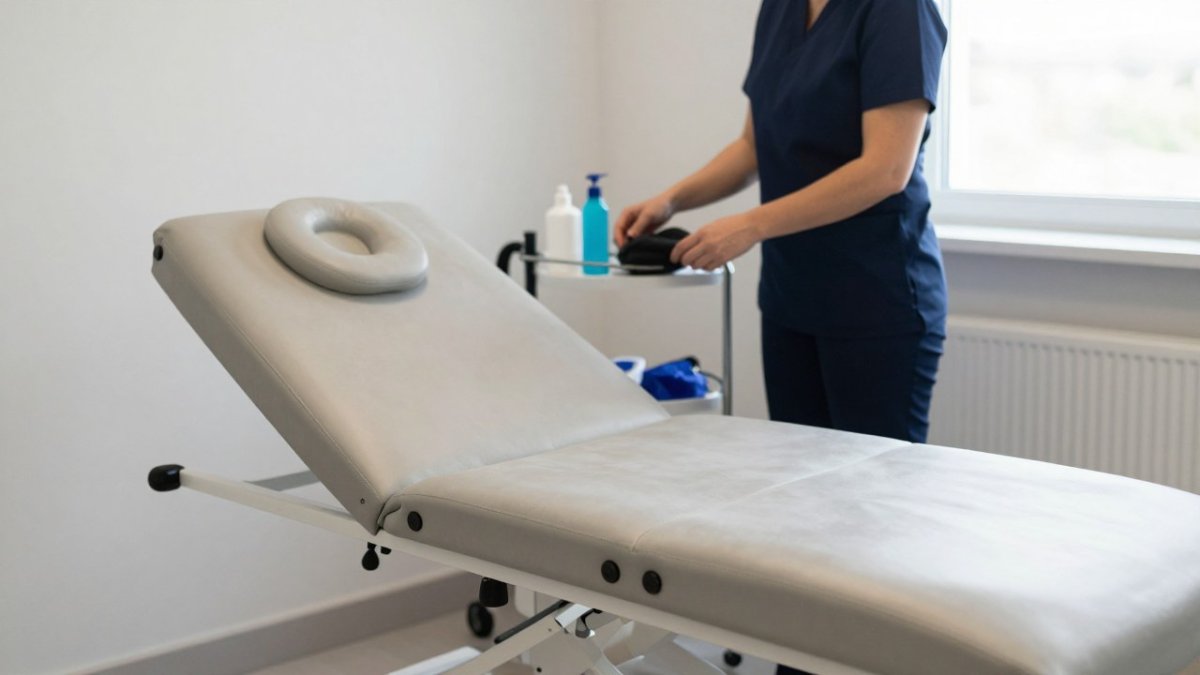
During a session, you typically lie on a treatment couch while a fine, lubricated tube is inserted and water is introduced gently. Some practitioners also use gentle abdominal massage. Time to rest is usually allowed once the session ends.
If you are unsure at any point, say so. A good practitioner will pause and explain what is happening.
The main stages of a session are summarised below, so you can see what happens and when you can speak up.
| Stage | What happens | Your role |
|---|---|---|
| Consultation | Medical history, medications and goals are discussed | Share your history and what you hope to achieve |
| Explanation | The procedure is explained before anything begins | Ask questions before agreeing |
| Treatment | Fine tube inserted and warm water introduced gently | Say when you feel fullness or cramping |
| Massage | Some practitioners add gentle abdominal massage | Tell the therapist if you are uncomfortable |
| Rest | Time to rest is allowed after the session | Rest before leaving |
Colonic Irrigation Session Length and Pricing Factors
Session length varies by practitioner and by the individual's assessment, so ask the clinic how long an appointment will take.
Pricing depends on factors such as the clinic, the practitioner and what the appointment includes. Always confirm the current fee directly with the clinic, because rates change and a quote may not include extras. For current prices and any offers, visit the Colonic Irrigation £59 Offer page or contact the clinic for a quote.
Several factors can affect the price:
-
Session length and method. A longer appointment or a closed-system treatment usually costs more than a standard open-system session.
-
Practitioner experience and registration. Training, insurance and professional membership can all be relevant when comparing providers.
-
Included consultation. The scope of the first appointment, such as a health questionnaire and aftercare advice, is worth checking when comparing fees.
-
Add-ons. Some clinics price extras separately, ask what is included before you book.
When comparing prices, ask what the fee covers rather than comparing headline numbers alone. You can see a side-by-side comparison of London colonic irrigation costs to weigh session length against price.
For current prices and any offers, check the clinic's website directly, as rates can change and cannot be quoted reliably here. NHS guidance on digestive health and when to speak to a GP
Colonic Hydrotherapy Safety and Contraindications
Colonic hydrotherapy is not suitable for everyone. People with certain medical conditions, including inflammatory bowel conditions, recent bowel surgery, certain heart or kidney conditions, or who are pregnant, should speak to their GP before considering it. NHS overview of irritable bowel syndrome symptoms and treatment You can also read our answers to common questions about safety and preparation.
Commonly reported side effects can include bloating, mild cramping and tiredness after the session. Seek medical advice promptly if you experience severe pain, rectal bleeding, fever, dizziness or any symptom that worries you. The available research on colonic irrigation is limited, and some medical sources note that it carries risks and that its general health benefits are not well established. Medical News Today overview of colon hydrotherapy benefits and safety
How to Choose a Qualified Practitioner and Book Your First Session
Colon hydrotherapy is not a statutorily regulated profession in the United Kingdom, so practitioners may hold different qualifications and memberships. That makes your own checks more important, not less. Look for a practitioner who:
- explains the procedure clearly and in plain language before you commit;
- takes a full medical history, including medications, allergies and any previous bowel surgery;
- is open about their training, how long they have practised and whether they hold professional indemnity insurance;
- can describe their infection-control routine and how equipment is cleaned between clients;
- belongs to a recognised professional body or voluntary register, and is happy to give you its name so you can verify membership;
- offers a written consent form and makes clear you can stop the session at any time.
Ask how the water is filtered and at what temperature it is introduced. A confident, specific answer is a good sign; a vague one is worth noting. For a fuller walk-through, see this practical guide to evaluating therapists before booking.
Preparing for your first appointment
A practical, medically cautious checklist helps most people feel calmer on the day:
- Book at a time when you can rest afterwards. Many people feel tired or mildly bloated for a few hours, so avoid scheduling straight before work or a long journey.
- Eat lightly in the hours before. A small, simple meal rather than a heavy one is usually more comfortable.
- Drink water normally. There is no need to dehydrate yourself, and doing so is not advised.
- Bring a list of medications, supplements and any recent test results. Tell the practitioner about any heart, kidney or bowel condition, and about pregnancy.
- Wear loose, comfortable clothing and expect to remove lower garments for the treatment.
- Arrive a few minutes early so the consultation is not rushed.
Aftercare
Most practitioners suggest drinking plenty of water, eating gently for the rest of the day and avoiding alcohol or very heavy meals immediately afterwards. Mild bloating, wind or tiredness can occur and usually settles within a day. Seek medical advice promptly if you develop severe pain, rectal bleeding, fever, dizziness or any symptom that worries you, and do not delay contacting your GP because you have had the treatment.
When you are ready to book, book a colonic irrigation session with the clinic, or contact us to ask about availability before you arrive. Bring your medication list and any questions you want answered during the consultation. Most people find the first session easier when they arrive relaxed and well informed.
Frequently Asked Questions
What is the gentlest method of colonic irrigation?
Open-system colonic hydrotherapy is generally described as the gentlest approach, because the water flows in and out continuously rather than being held inside the bowel under pressure. The practitioner can typically control the temperature and flow, and a client can usually ask for the pace to be slowed. Gentle methods still carry the risks described in the safety section, so the gentlest method is not the same as risk-free. Speak to a qualified practitioner or your GP before booking if you have any medical condition.
How does open-system colonic hydrotherapy work?
In an open system, water is introduced into the colon and drains away through a separate outlet at the same time, so the water does not build up in the same way it can with closed systems. Session length depends on the individual and the practitioner's assessment, so ask the clinic what to expect.
Is colonic irrigation uncomfortable?
Many people describe a sensation of fullness or mild cramping, particularly during the first session, but discomfort is not typical for everyone. A good practitioner will explain each step and check how you feel during the session. Telling the therapist straight away about any pain is important. Sharp or persistent pain is not something to push through, and you should stop and seek medical advice if it occurs.
Who should avoid colonic irrigation?
People with certain conditions should not have colonic irrigation without first seeking medical advice. These can include inflammatory bowel disease, recent bowel surgery, diverticular disease, haemorrhoids that are bleeding, pregnancy and some heart or kidney conditions. Anyone taking medication that affects fluid or electrolyte balance should also check with their GP. A qualified practitioner should ask about your health before treatment, and it is reasonable to expect a practitioner to decline treatment if it is unsafe.
How do I choose a qualified colonic hydrotherapist?
Look for a practitioner who can explain the training they have completed, the equipment they use and how it is cleaned between clients. Ask how equipment is cleaned between clients, how they screen for contraindications and what they would do in an emergency. Check that you are given time to ask questions before any treatment.