 Ultimate guide
The Benefits of Professional Colonic Hydrotherapy
Last Updated: November 17, 2026
Quick Summary
Professional colonic hydrotherapy has plausible short-term benefits for constipation and bloating, and an early signal for some IBS symptoms, but no reliable evidence supports detox, immunity or weight-loss claims. It is best treated as a complementary therapy rather than a cure, and a qualified practitioner should assess whether it suits you.
- A 2016 PubMed Central study linked colonic irrigation to improved abdominal pain, constipation and diarrhoea in IBS.
- A 2026 MDPI review found potential for chronic constipation and dysbiosis but called for more research.
- Eat lightly before your appointment and drink plenty of water in the days beforehand.
- Avoid treatment if pregnant or with uncontrolled heart or kidney disease, severe anaemia or active IBD.
- After a session, drink water steadily and avoid alcohol and caffeine for 24 hours.
Table of Contents
- What Professional Colonic Hydrotherapy Involves
- The Claimed Benefits and What the Evidence Actually Shows
- How to Prepare for a Colonic
- Colonic Irrigation Side Effects and Who Should Avoid It
- What Happens the Day After a Colonic
- What 'Professional' Means in Practice
- Book Your Colonic Hydrotherapy Session
- Frequently Asked Questions
What Professional Colonic Hydrotherapy Involves
Professional colonic hydrotherapy is a treatment in which filtered water is gently introduced into the large intestine through the rectum to soften and flush out accumulated waste, and it is one of several approaches people explore when digestive discomfort becomes a daily problem. Professional colonic hydrotherapy is best understood as a complementary therapy rather than a cure, and a qualified practitioner should always assess whether it suits you.
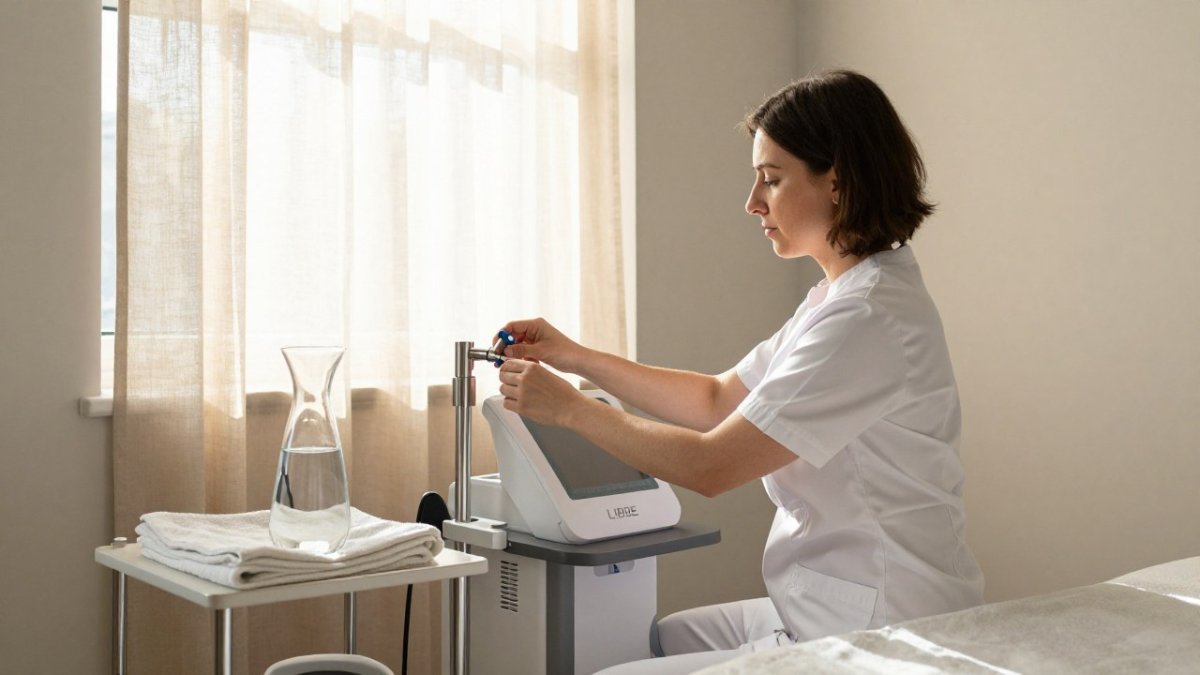
During treatment, a small sterile speculum is inserted and warm water flows in at low pressure. The practitioner may apply gentle abdominal massage to encourage movement. Waste leaves through a closed or open system, depending on the clinic.
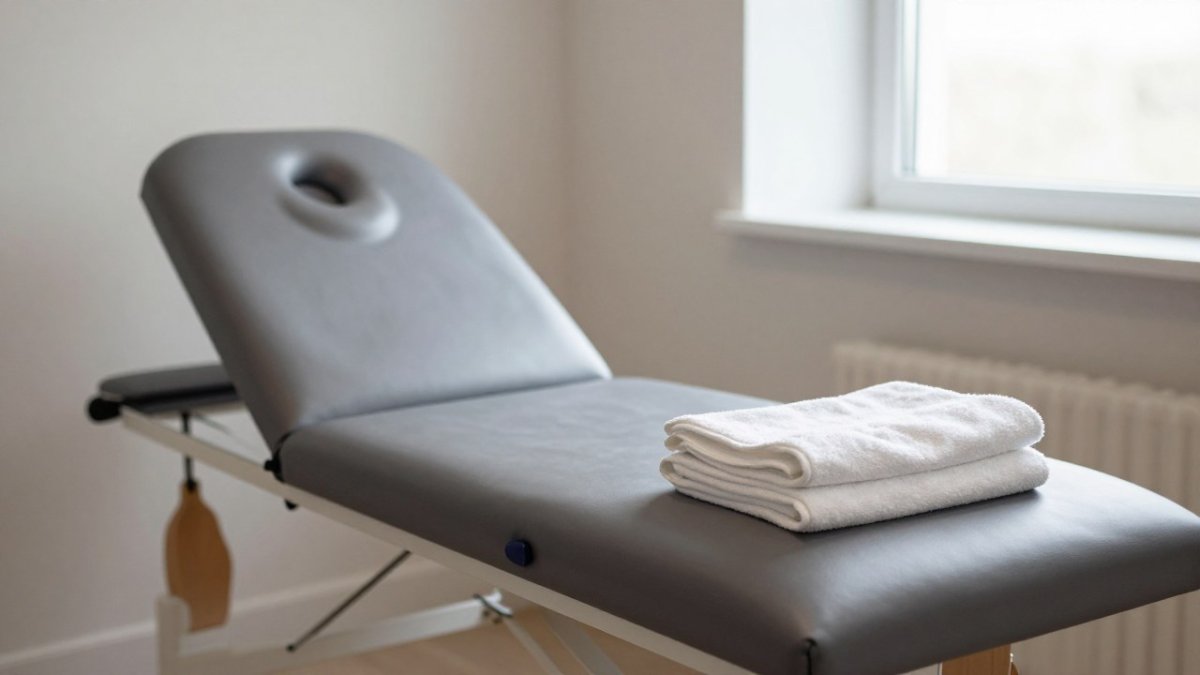
How a Session Unfolds
Appointment lengths vary, and your practitioner will explain what to expect at your consultation. You remain lying down throughout, and you can ask the practitioner to pause at any point.
If you want a fuller picture before booking, read our walkthrough of what happens during your first colonic session, which covers arrival, positioning and the equipment used.
The Claimed Benefits and What the Evidence Actually Shows
The claimed benefits of professional colonic hydrotherapy range from relief of constipation and bloating to detoxification and improved energy, but the strength of evidence behind each claim varies considerably. Rather than repeat the claims, this section grades them: what the research supports, what is plausible but unproven, and what is not supported at all.
A 2016 study published in PubMed Central on colonic irrigation for IBS reported that colonic irrigation was safe in the participants studied and was associated with improvements in abdominal pain, constipation and diarrhoea linked to irritable bowel syndrome. A 2026 review by R. Borghini and co-authors in MDPI concluded that transanal irrigation and colonic hydrotherapy have potential as interventions for chronic constipation and intestinal dysbiosis, while noting that more research is needed. Both are useful signals, but neither is a large randomised controlled trial, and that distinction matters when you are deciding whether to book.
Evidence Grading, Claim by Claim
Constipation and bloating, limited but plausible. The strongest case is for short-term relief of constipation-type symptoms. The studies above point in the same direction, and some people report noticing a difference within a day or two.
Detoxification and toxin removal, not supported. The body already clears waste through the liver, kidneys and bowel.
Immunity, not supported. Claims that flushing the colon strengthens the immune system are not backed by clinical research.
Energy levels, plausible but indirect. Some people report feeling more energetic after a session. This is most likely explained by relief from bloating or constipation rather than by any direct effect of the treatment, and it has not been demonstrated in controlled studies.
Weight loss, not supported. Any weight lost immediately after a session is water and stool, not fat, and it returns. Colonic hydrotherapy is not a weight-loss treatment and should not be presented as one.
IBS symptoms, early signal. The 2016 study is the most relevant single piece of evidence for IBS-type symptoms, but it is a small study and does not establish the treatment as a standard IBS therapy.
What This Means in Practice
A fair summary is that colonic hydrotherapy has plausible short-term benefits for constipation and bloating, an early signal for some IBS symptoms, and no reliable evidence for detox, immunity or weight-loss claims. If a clinic promises the latter without qualification, that is a reason to be cautious. Our article on whether colonic irrigation helps constipation looks at the research in more detail, including who tends to respond and who does not.
Here is how each commonly claimed benefit of colonic hydrotherapy is graded by the available evidence.
| Claim | Evidence grade | What the article says |
|---|---|---|
| Constipation and bloating | Limited but plausible | Strongest case is short-term relief; small-scale, short-term studies |
| Detoxification and toxin removal | Not supported | No reliable clinical evidence; Mayo Clinic says benefits not shown |
| Immunity | Not supported | No clinical research backs immune-strengthening claims |
| Energy levels | Plausible but indirect | Likely from relief of bloating or constipation; not studied |
| Weight loss | Not supported | Weight lost is water and stool, not fat, and returns |
| IBS symptoms | Early signal | 2016 study is small and does not establish standard therapy |
How to Prepare for a Colonic
Preparation is mostly about timing and hydration. Eat lightly in the hours before your appointment, and drink plenty of water in the days beforehand. Tell the practitioner about every medication you take, including supplements, and about any medical condition you have.
Skip alcohol and very spicy food the day before. If you feel unwell on the day, reschedule rather than push through.
Colonic Irrigation Side Effects and Who Should Avoid It
Colonic irrigation side effects are generally mild and short-lived for most people, and can include cramping, bloating, wind, and occasionally loose stools. More serious risks exist but are uncommon, and they include electrolyte imbalance, dehydration, infection and, rarely, bowel perforation.
Some people should not have the treatment. Avoid it if you are pregnant, have uncontrolled heart or kidney disease, severe anaemia, active inflammatory bowel disease, diverticulitis, recent bowel surgery, or a known perforation or obstruction. If any of these apply, speak to your GP first.
What Happens the Day After a Colonic
Some people feel lighter the day after a colonic, while others may experience mild wind or loose stools as the bowel settles. Drink water steadily, eat soft, plain food, and avoid alcohol and caffeine for 24 hours. Rest if you feel tired.
Our step-by-step guide on what to do after colonic irrigation sets out a simple aftercare routine for the first 24 to 48 hours.
What 'Professional' Means in Practice
'Professional' is not a protected title in colonic hydrotherapy, so the word on a clinic's website tells you very little on its own. What distinguishes a professional service is a combination of training, hygiene, equipment standards and consultation practice that you can check before you book. This section sets out what to look for, so you can compare clinics on substance rather than marketing.
Training and Insurance
Training routes for colonic hydrotherapy vary, so check the qualifications any practitioner holds. A professional practitioner will usually hold a qualification from a recognised training provider, will have completed a practical assessment before treating clients unsupervised, and will hold current professional indemnity insurance. Ask directly which qualification they hold, who awarded it, and whether they are insured. A practitioner who is evasive about any of these is not a safe choice.
Hygiene and Equipment Standards
A professional clinic should use clean, hygienic equipment and disinfect it between sessions according to the manufacturer's instructions. The treatment room should be clean and easy to wipe down. If you are shown the room and the equipment looks reused or the practitioner's hygiene is casual, leave. Watch out: some open-system clinics use equipment that is harder to disinfect thoroughly than closed systems, so ask how the system is cleaned between clients and whether filters and hoses are replaced on a schedule.
What a Proper Consultation Includes
A professional consultation should happen before any treatment and cover your medical history and current medications, along with a clear explanation of the procedure, its risks and side effects, and the cost, with no pressure to book on the day. You should be told what will happen if you feel unwell mid-session, how to pause or stop, and who to contact afterwards. If any of this is rushed or skipped, that is a warning sign.
Questions to Ask Before Booking
Ask what system is used and how it is cleaned between clients; what training and insurance the practitioner holds; whether a consultation is included in the price or charged separately; what happens if you feel unwell during the session; and what aftercare advice is provided. A clinic that answers these clearly and in writing is more likely to meet a professional standard than one that deflects.
Red Flags
Be cautious of any clinic that promises detoxification, weight loss or immune benefits as established facts, that offers treatment without a consultation, that cannot explain its hygiene protocols, or that pressures you to buy a course of sessions upfront. For a fuller checklist, see our guide on choosing a colonic therapist.
Book Your Colonic Hydrotherapy Session
Deciding whether to try colonic hydrotherapy comes down to weighing limited evidence for digestive symptoms against real, if uncommon, risks. If you have persistent bloating, constipation or abdominal discomfort and want to explore a complementary option, a consultation is the sensible first step, and if you are ready to try it, our Colonic Irrigation £59 Offer makes that first appointment easy to book.
At Colonic Irrigation - Colon Hydrotherapy Cleansing, our qualified hydrotherapist has over 17 years of experience and uses the gentle LIBBE open system in a private clinic in Ealing, London. Sessions take place in a calm, comfortable environment.
Book your colonic hydrotherapy session today and take the first step towards a lighter, more comfortable gut.
Taking the first step is often the hardest part, especially if you have felt bloated and uncomfortable for months. Our team is here to answer your questions before you commit to anything. Get started with Colonic Irrigation - Colon Hydrotherapy Cleansing and book a consultation with a qualified hydrotherapist who will explain the process, the risks and what to expect.
Frequently Asked Questions
What are the primary benefits of professional colonic hydrotherapy?
The best-supported benefits relate to bowel function. Some published studies have reported symptom improvements with colonic irrigation in people with IBS and constipation, though these are small and should be read with caution. Claims about detoxification, immunity, energy or weight loss are not supported by evidence, so treat those as unproven rather than expected outcomes.
Is colonic hydrotherapy safe for digestive health?
For most healthy adults, a session carried out by a qualified practitioner using well-maintained equipment carries manageable risks, but it is not risk-free. Reported colonic irrigation side effects include cramping, bloating, dehydration and electrolyte imbalance, and serious complications such as bowel perforation are rare but documented. Safety depends heavily on screening beforehand. Tell your practitioner about medication, recent surgery or any bowel condition, and speak to your GP first if you have a diagnosed digestive disease.
How does the LIBBE open system work during a colonic?
The LIBBE is an open system, meaning you lie on a couch and waste passes away through a channel rather than through a tube inserted and held inside you. Water is introduced gently at controlled temperature and pressure, and the therapist may use abdominal massage to encourage movement.
How often should one have colonic hydrotherapy for optimal results?
There is no evidence-based schedule, so frequency should follow your response and your practitioner's assessment rather than a fixed rule. Some people book a single session to see how they feel; others with ongoing constipation discuss a short series. If you find yourself needing a session every few weeks just to feel normal, that is a signal to review diet, fluid intake and whether a GP should investigate the underlying cause.
What should I expect during a professional colonic irrigation session?
You can expect a private setting and a consultation before treatment. Water is introduced gently, and you may feel mild cramping or the urge to pass wind. Your practitioner will explain the process and any aftercare advice at your appointment.
Are there any side effects to professional colonic irrigation?
Common short-term effects are wind, mild cramping, bloating and looser stools for a day or so, along with tiredness. Dehydration and electrolyte imbalance are possible, particularly with repeated sessions, so drink water and consider an electrolyte drink afterwards. Seek urgent medical help if you develop severe abdominal pain, a hard swollen abdomen, fever, bleeding or vomiting after a session, as these can indicate a serious complication.