 How-to
How to Reduce Bloating After Work: 7 Evening Fixes
Last Updated: November 14, 2026
Quick Summary
To reduce bloating after work, start with light movement and warmth: walk for 10 to 15 minutes after dinner, try slow yoga twists, or use a gentle clockwise stomach massage and warm compress. Eating slowly, sitting tall and finishing your main meal at least two hours before bed also help.
- Just 10 minutes of walking or 1,000 steps after eating helps ease gas and bloating.
- Avoid lying flat straight after eating and skip intense workouts right after a big meal.
- Put your fork down between bites and aim for 20 minutes at the table.
- Go easy on fizzy drinks and sugar-free products containing polyols, which ferment in the gut.
- See a doctor if bloating is persistent, painful, or comes with weight loss or blood in your stool.
Table of Contents
- Why Your Stomach Feels Bloated After a Long Day at Work
- Quick Ways to Relieve Bloating in the Evening
- Evening Meal and Hydration Tweaks to Reduce Bloating
- How to Improve Gut Health Naturally
- The Stress and Posture Link to Trapped Wind
- When to See a Doctor for Bloating
- Colonic Hydrotherapy for Digestive Health
- Book Your Colonic Hydrotherapy Consultation
- Frequently Asked Questions
Why Your Stomach Feels Bloated After a Long Day at Work
If you want to know how to reduce bloating after work, start with the cause: a day of sitting, rushed meals and swallowed air. According to UCLA Health's guidance on physical activity and digestive health, just 10 minutes of walking or 1,000 steps after eating helps ease gas and bloating.
The evening bloat is rarely one thing. It is a build-up.
Here is what happens. You sit for hours. Your gut slows down. You eat lunch at your desk, fast, taking in air with every bite. By 6pm your belly is tight and uncomfortable.
Below, we explain the seven evening fixes that help most people, plus when bloating needs a doctor's eye. For a deeper list of evidence-backed relief methods, see our guide to relieving chronic bloating.
Quick Ways to Relieve Bloating in the Evening
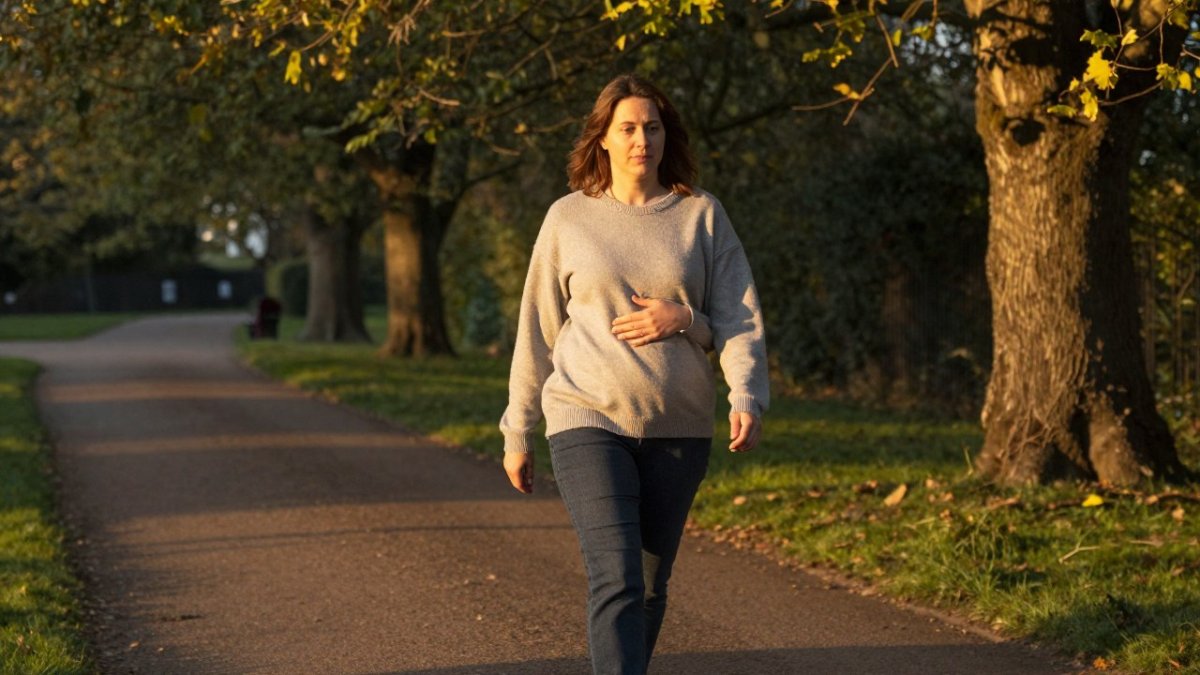
The fastest relief comes from movement and warmth, not tablets. A short walk, a gentle stomach massage or a warm compress can ease trapped wind within minutes.
Post-Meal Movement and Gentle Exercise
A 2021 review in the National Library of Medicine on short-term activity after meals found that light activity after eating is effective at relieving abdominal bloating. The key word is light.
Try this:
- Walk for 10 to 15 minutes after dinner
- Do slow yoga twists or a gentle stretch
- Avoid lying flat straight after eating
- Skip intense workouts right after a big meal
Stomach Massage and Warm Compress
A gentle stomach massage helps move trapped gas along. Use slow clockwise circles, starting below the ribs and working down. A warm compress can be a comfortable addition to this routine.
The fastest relief comes from movement and warmth, and these are the evening fixes the article recommends.
| Fix | What to do | Time or frequency |
|---|---|---|
| Post-meal walk | Light walking after dinner | 10 to 15 minutes |
| Walking after eating | Walking or steps to ease gas and bloating | 10 minutes or 1,000 steps |
| Yoga and stretching | Slow yoga twists or a gentle stretch | After dinner |
| Stomach massage | Slow clockwise circles, starting below the ribs | Until gas moves |
| Warm compress | Comfortable addition to the massage routine | As needed |
| Lying down | Avoid lying flat straight after eating | After meals |
| Intense workouts | Skip intense workouts right after a big meal | After big meals |
Evening Meal and Hydration Tweaks to Reduce Bloating
Your evening meal can play a large part in how bloated you feel. If you get home at 7pm and eat at 8pm, the standard advice to 'eat two hours before bed' can leave you either eating too late or going to bed hungry. A more practical approach is to split the evening meal: a small, low-gas snack when you walk in (a banana, a small bowl of porridge, or a slice of toast) takes the edge off hunger, so you eat your main meal more slowly and in smaller portions.
Eating slowly, in a calm setting, and chewing well reduces the air you swallow, which is a common driver of a bloated stomach. But the bigger after-work issue is the speed at which most people eat their first proper meal of the day. Try putting your fork down between bites, and keep a glass of water beside you rather than drinking in large gulps at the end of the meal.
Small changes make a real difference:
- Aim to finish your main meal at least two hours before bed where possible; if that is unrealistic, keep the meal smaller and lighter
- Put your fork down between bites and aim for 20 minutes at the table
- Drink water steadily through the afternoon rather than in large gulps at dinner
- Go easy on fizzy drinks and sugar-free products containing polyols, which ferment in the gut
- Keep the evening meal lower in added salt, which can worsen water retention and abdominal fullness
Guts UK's advice on bloating notes that limiting gas-producing foods, such as beans, pulses and cauliflower, can reduce symptoms. Keep a simple food diary for a week to spot your own triggers, and note the time you eat as well as what you eat.
Watch out: if you routinely eat your main meal within an hour of going to bed, the problem is often meal timing rather than food choice, and shifting the meal earlier by even 30 minutes can make a noticeable difference over a week.
How to Improve Gut Health Naturally
Good digestive habits are built over weeks, not one evening. Regular movement, steady fibre intake and enough water are commonly recommended for healthy digestion.
- Build fibre up slowly to avoid extra gas
- Stay active on most days, not just after dinner
- Keep a regular meal and sleep routine
- Manage stress, which affects the gut directly
Constipation is a frequent partner to bloating. If your bowels are sluggish, a GP can advise on stool softeners or laxatives if needed. If self-care isn't shifting things, speaking with a qualified professional is a sensible next step. You can find details of our colonic irrigation sessions on the Colonic Irrigation page.
The Stress and Posture Link to Trapped Wind
Two factors that affect bloating are stress and how you sit. Both affect trapped wind more than people expect, and both are at their worst in the transition from a desk-bound workday to an evening at home.
Stress changes how your gut moves. It can speed digestion up or slow it down, and it often makes you swallow more air. The gut-brain axis, the two-way signalling between your nervous system and your digestive tract, means a high-stress afternoon can leave your gut sluggish by the time you get home. Try five slow breaths before you eat, and give yourself ten minutes to unwind before dinner. A short walk around the block before you sit down can do more for trapped wind than sitting straight down at the table.
Posture matters too. Slumping at a desk for eight hours compresses the abdomen and slows the gut, and collapsing onto the sofa when you get home continues the same compression. Stand up every hour at work where you can, and when you get home, spend two minutes in a gentle standing stretch or a slow walk before you sit down. At meals, sit tall with your feet flat on the floor rather than eating from a low sofa or leaning over a coffee table.
A simple after-work routine that addresses both:
- Change out of work clothes and take five slow breaths before you do anything else
- Take a 10-minute walk before dinner rather than after, to reset both posture and stress
- Sit at a table for your evening meal, with your back supported and feet flat
- Do two or three slow standing twists before bed to release tension in the abdomen
Watch out: if you find yourself holding your stomach in all day, that tension can itself contribute to trapped wind; deliberately relaxing the abdominal wall for a few minutes when you get home is worth trying.
When to See a Doctor for Bloating
Most evening bloating settles with the changes above. See a doctor if bloating is persistent, painful, or comes with weight loss, blood in your stool, vomiting or a sudden change in bowel habits.
These signs need prompt medical attention. Bloating that does not shift after a few weeks also deserves a check. Johns Hopkins Medicine's guidance on gas and bloating points out that bloating is often a symptom of an underlying cause, so finding the trigger matters more than masking it.
A GP can screen for food intolerance, constipation and other conditions. If you are considering colonic irrigation, our colonic irrigation FAQ covers safety, preparation and suitability.
Colonic Hydrotherapy for Digestive Health
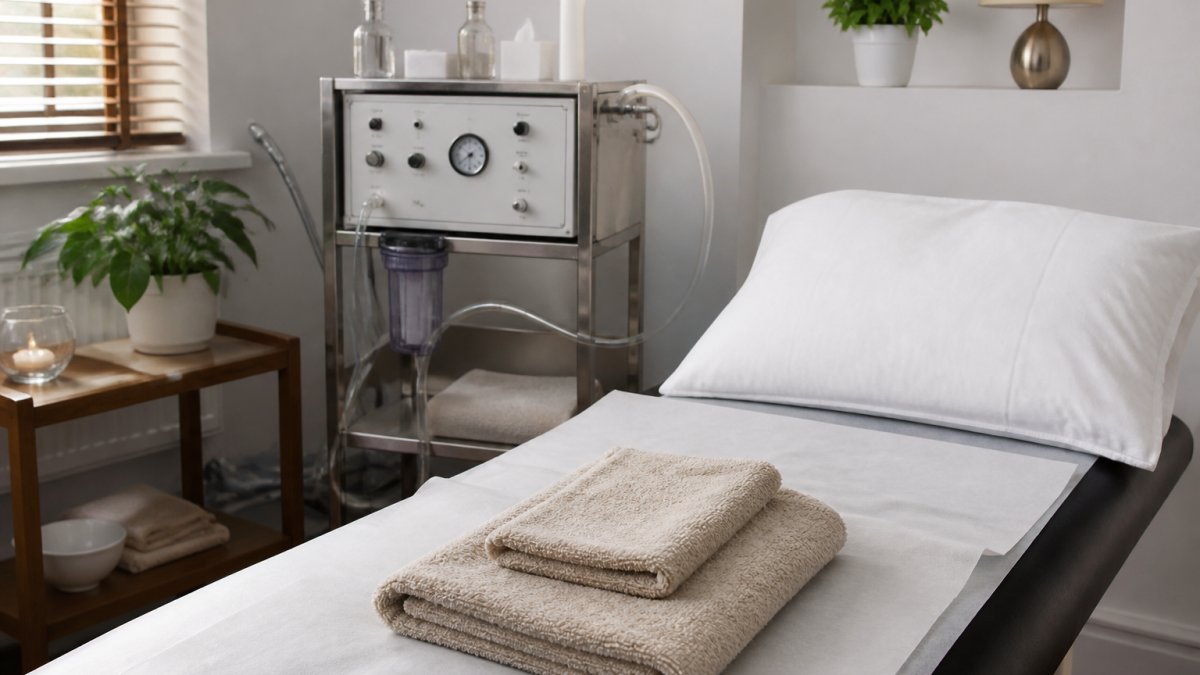
Colonic hydrotherapy is a complementary therapy that involves gently flushing the colon with warm water. Some people use it as a complementary therapy alongside other approaches to bloating and constipation.
At Body & Soul Zone, our qualified hydrotherapist has over 17 years of experience. We use the gentle LIBBE open system in a private, hygienic clinic.
It suits some people and not others. A consultation comes first, so you can ask questions and decide whether it is right for you. Read more in our guide to colonic irrigation for bloating.
Book Your Colonic Hydrotherapy Consultation
If evening bloating keeps returning, the fixes above are a strong start. When you want extra support, a consultation is the simplest next step.
Persistent bloating deserves a proper look, not another evening of guessing. At Body & Soul Zone, our qualified hydrotherapist offers colonic irrigation using the gentle LIBBE open system, in a calm, private clinic. With over 17 years of experience, we support clients in a calm, comfortable environment. You can book a consultation with Body & Soul Zone to discuss your options.
Visit our colonic irrigation page to learn about the £59 offer, or contact us to ask a question before you book.
Frequently Asked Questions
Why does my stomach feel bloated after a long day at work?
Sitting for hours slows gut motility, so trapped wind and abdominal distension build up through the day. Swallowing air while eating quickly at your desk, a heavy lunch and stress all add to the pressure. A short walk after eating is commonly suggested to help shift it. Try a gentle post-work routine before your evening meal rather than waiting until bedtime.
When should I see a GP about persistent bloating?
See a GP if bloating lasts more than a few weeks, keeps returning, or comes with weight loss, blood in your stool, changes in bowel habit, or pain that wakes you. These symptoms need checking rather than self-management. For everyday bloating after work, lifestyle changes and movement often help, but persistent or severe symptoms should always be assessed by a doctor.
Can stress at work cause digestive bloating?
Yes. Stress affects the gut-brain axis and can slow digestion, increase air swallowing and worsen trapped gas. Mindful eating, eating slowly in a calm environment, and gentle movement after work all help reduce bloating. Cleveland Clinic (2024) recommends avoiding prolonged sitting and adding gentle activity such as walking or yoga after work to stimulate digestion.
How does colonic hydrotherapy support digestive health?
Colonic hydrotherapy gently flushes the colon with warm water, which some people use alongside other approaches to bloating and constipation. It is a complementary therapy, not a cure, and works best alongside fibre, hydration and movement. If bloating after work is a regular problem, a consultation can help you decide whether it suits you.