 How-to
How to Prepare for a Colonic: What to Do Before Your Treatment?
Quick Summary
To prepare for colonic treatment, eat lightly for a day or two beforehand, drink plenty of water, and avoid alcohol, gas-producing foods and laxatives unless a clinician advises them. Tell the practitioner about any medical conditions, pregnancy or medicines before the session.
- Eat light, easily digested meals such as soups, broths, plain rice and well-cooked fish or chicken.
- Drink plenty of water across the day and aim for pale straw-coloured urine.
- Avoid alcohol, raw salads, beans, fizzy drinks and greasy or spicy food beforehand.
- Do not take laxatives or bowel-preparation products unless a clinician has told you to.
- Speak to a GP or clinician first if you have bowel disease, pregnancy or heart, kidney or liver conditions.
Table of Contents
- What Colonic Hydrotherapy Involves and Whether You Need Special Preparation
- What to Eat Before a Colonic: Light, Easily Digested Meals
- What to Avoid Before a Colonic: Foods, Drinks, Alcohol and Laxatives
- Hydration and Fibre: How Much Water to Drink Before Treatment
- Your First Colonic Appointment: A Day-of-Treatment Checklist
- How Long Does a Colonic Take and What Happens During and After
- When to Speak to a Clinician Before Booking Your Colonic
- Frequently Asked Questions
What Colonic Hydrotherapy Involves and Whether You Need Special Preparation
A colonic is a treatment in which warm, filtered water is gently introduced into the large bowel through a thin, soft tube, then drained away, and knowing how to prepare for colonic sessions can help you get the most from it. It is sometimes called colon hydrotherapy. The aim is to help the bowel empty more fully, and many people book one when they feel bloated, sluggish or uncomfortable.
Most clinics ask you to do a few simple things to prepare for colonic treatment, such as drinking enough fluid and eating lightly. Whether you need anything beyond that depends on your health, your medication and any condition you already have. Research on colon hydrotherapy is limited, and MD Anderson Cancerwise guidance on colon cleansing states there are no proven health benefits to colon cleansing. That is a good reason to set realistic expectations before you book.
Watch out: do not take laxatives or bowel-preparation products unless a clinician has told you to. Doing so can leave you dehydrated or unwell on the day.
What to Eat Before a Colonic: Light, Easily Digested Meals
Eating lightly in the day or two before your appointment is commonly suggested, because a lighter bowel is easier to work with.
- Soups and broths
- Well-cooked white fish, chicken or eggs
- Plain rice, pasta or white bread
- Ripe bananas and peeled, cooked vegetables
- Soft-boiled potatoes without skins
Eat your last substantial meal several hours before the session. Keep the final snack small and easy to digest. A NHS guidance on bowel preparation for colonoscopy follows a similar logic, but a colonic is a different procedure, so always check the advice your clinic gives you.
What to Avoid Before a Colonic: Foods, Drinks, Alcohol and Laxatives
Some foods and drinks make the bowel harder to clear or cause wind and discomfort. It is wise to cut back on these for a day or two beforehand.
- Raw salads, whole nuts and seeds
- Beans, lentils and cabbage
- Fried, greasy or very spicy food
- Fizzy drinks and heavy dairy
- Alcohol, which can dehydrate you
A common mistake is taking a laxative to "make sure" the bowel is empty. This can cause cramping and dehydration, and it is best avoided unless a clinician advises it.
Hydration and Fibre: How Much Water to Drink Before Treatment
Good hydration helps the bowel work well and keeps you comfortable during the session. Drinking plenty of water across the day before treatment is generally helpful, and your clinic may give you a specific target, so follow their advice.
Fibre is a balancing act. Too little can leave you constipated, while a large amount on the day can cause gas. Keep your normal fibre intake steady in the days before, then ease off on the day itself. If you are unsure, NHS advice on fibre and water intake is a reliable starting point.
The article's key preparation points for hydration and fibre are summarised below.
| Factor | Guidance | Note |
|---|---|---|
| Water intake | Drink plenty across the day before | Follow any target your clinic gives |
| Hydration check | Aim for pale straw-coloured urine | Simple daily check |
| Fibre in days before | Keep normal intake steady | Too little causes constipation |
| Fibre on the day | Ease off | Large amounts can cause gas |
Your First Colonic Appointment: A Day-of-Treatment Checklist
Preparation on the day is mostly about arriving calm, hydrated and honest about your health. The checklist below is a practical timeline rather than a set of rules, because clinics vary and your practitioner's instructions should always take priority.
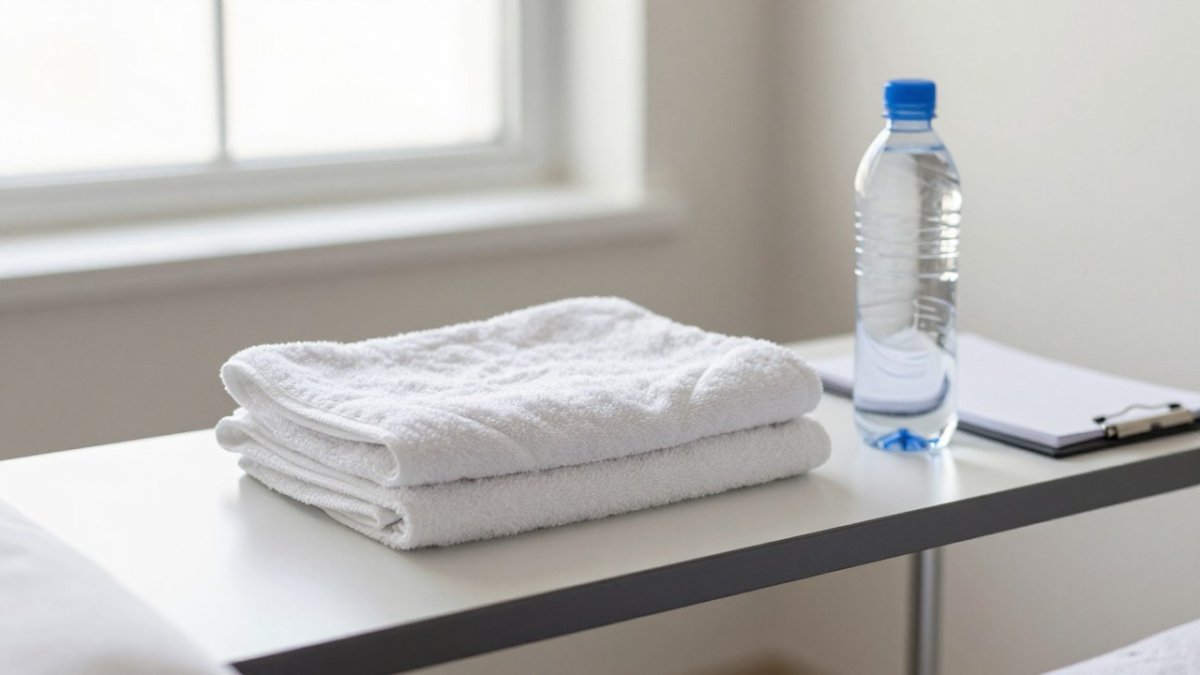
The day before
- Keep drinking water steadily through the day; aim for pale straw-coloured urine as a simple hydration check.
- Eat lightly and avoid the gas-producing foods listed above, especially in the evening.
- Set out loose, comfortable clothing, a soft waistband and easy-to-remove shoes make the appointment simpler.
- Write down your medicines, doses and any allergies, plus any recent surgery, pregnancy or bowel condition. A phone note is fine.
- Confirm your appointment time and whether the clinic asks you to arrive early for paperwork.
On the morning of treatment
- Follow your clinic's advice on breakfast. A light, low-fibre breakfast is often suggested before treatment; do not skip fluids. Follow your clinic's specific advice.
- Avoid alcohol, fizzy drinks and very large coffees that morning.
- Use the toilet before you leave, which makes the session more comfortable.
- Bring your medicine list and a note of any questions you want to ask.
- Arrive a few minutes early so you are not rushed; most people feel nervous before a first session and a calm start helps.
What to tell the practitioner
Be direct about anything that might affect suitability: recent surgery, pregnancy or suspected pregnancy, inflammatory bowel disease, heart, kidney or liver conditions, fluid-balance problems, or regular use of diuretics or laxatives. Mention if you have had blood in your stool, severe or persistent abdominal pain, a sudden change in bowel habit or unexplained weight loss, these are reasons to see a clinician rather than book a treatment.
Watch out: do not stop or change any prescribed medicine, including blood pressure or diabetes medication, in the days before a colonic unless your prescriber has told you to. Preparation advice for elective colonic hydrotherapy is not the same as bowel preparation for a colonoscopy, and it should never involve unsupervised laxative use.
If you are unsure what your clinic expects, ring them before the day rather than guessing. For a fuller picture of the appointment itself, read How to Know What Happens During Your First Colonic Session, or check the Colonic Irrigation Frequently Asked Questions on preparation and safety. If you are looking for a clinic that offers a Colonic Irrigation £59 Offer, it is worth confirming the current terms and what the session includes before you book.
How Long Does a Colonic Take and What Happens During and After
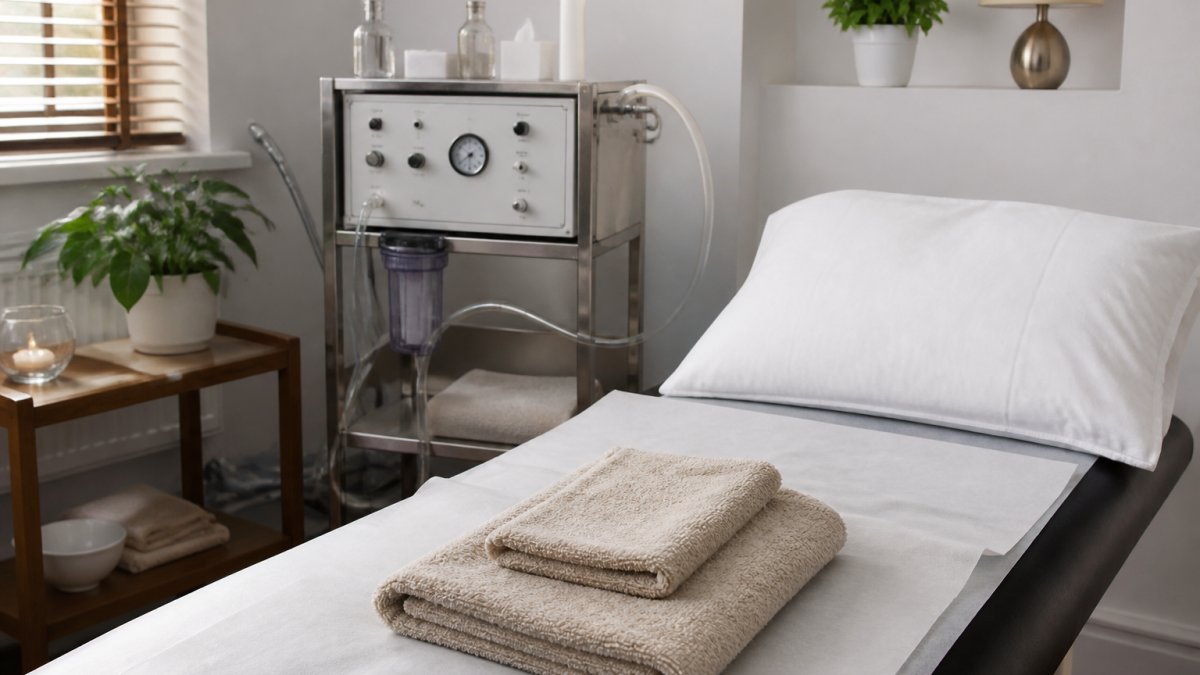
Session length varies with the clinic and the treatment, so check with your clinic for the expected duration. A colonic generally involves lying on a treatment table while a soft tube is placed into the rectum and warm water is passed in and drained out. Your practitioner will explain the process before you begin.
Afterwards, you may feel lighter, or you may feel tired. Some people notice mild bloating or cramping for a short time. Drink water, rest if you need to, and eat simple meals for the rest of the day. For more detail on aftercare, see What to Do After Colonic Irrigation: A Step-by-Step Guide.
When to Speak to a Clinician Before Booking Your Colonic
A colonic is an elective treatment, not a medical procedure, and it is not suitable for everyone. It is important to speak to your GP or a qualified clinician first, as some conditions may make colonic hydrotherapy unsuitable.
Conditions that need a clinician's view first
- Inflammatory bowel disease, such as Crohn's disease or ulcerative colitis, because active inflammation can be aggravated by instrumentation and fluid.
- Recent bowel surgery, a known or suspected bowel obstruction, or a perforation, because changes in pressure and fluid volume can be unsafe.
- Pregnancy, or suspected pregnancy, because the effects of colonic hydrotherapy in pregnancy are not established.
- Heart, kidney or liver conditions, and any condition affecting fluid balance, because the treatment involves moving fluid into and out of the bowel and can disturb electrolyte balance.
- Regular use of diuretics or laxatives, which can already leave you dehydrated or low in potassium before you start.
- Severe or uncontrolled high blood pressure, or a history of fainting, because of the physical demands of the session.
Symptoms that mean see a clinician, not a clinic
Seek urgent medical help rather than booking a treatment if you have blood in your stool, black or tarry stools, severe or persistent abdominal pain, a sudden change in bowel habit, unexplained weight loss, fever with abdominal symptoms, or vomiting with constipation. These can be signs of a condition that needs diagnosis, and a colonic will not treat them.
How this differs from colonoscopy preparation
A colonoscopy is a diagnostic procedure that requires a prescribed bowel-cleansing preparation, often with a strong laxative, dietary restriction and careful timing. Colonic hydrotherapy is different: it is a single session, it does not require you to take bowel-preparation products, and it does not replace a colonoscopy or any screening test. If you have been offered a colonoscopy, follow the instructions from your hospital or GP practice, do not use a colonic as a substitute, and do not use colonoscopy preparation products before a colonic unless a clinician has told you to.
What the evidence does and does not show
Research on colon hydrotherapy is limited, and there is no robust evidence that it treats medical conditions or improves long-term bowel health. Some people report feeling lighter or less bloated afterwards, but it is not the same as treating constipation or disease. A colonic is not a medical therapy, and it should not delay investigation of symptoms that need a clinician's attention.
If you have questions before booking, you can contact Body and Soul Zone to discuss your situation. Whatever you decide, a qualified professional should make the final call on whether treatment is right for you.
Frequently Asked Questions
How do I prepare for a colonic treatment?
Preparation is mostly about keeping things simple for the day or two before your appointment. Eat light, easily digested meals, drink plenty of water or herbal tea through the day, and avoid alcohol, fizzy drinks and heavy or greasy food. Tell your hydrotherapist about any medications, health conditions or recent procedures, and ask your GP first if you have a medical condition. Arriving calm, hydrated and on time makes the session more comfortable for you.
What should I eat before a colonic?
Choose light, low-fibre meals that are easy to digest, such as soup, cooked vegetables, eggs, plain rice or fish. Avoid large or heavy meals on the day of your appointment, as a full stomach can make the session less comfortable. Many clinics suggest a light meal a few hours before treatment rather than eating immediately before. If you are unsure what suits you, ask the clinic for their specific guidance when you book.
Should I fast before a colonic hydrotherapy session?
Fasting is not generally required, and you should not attempt a strict fast without advice, especially if you have diabetes, take medication or have a medical condition. A light meal a few hours before treatment is usually more comfortable than an empty or very full stomach. Drinking clear fluids is important for hydration. If you have concerns about eating or fasting, speak to your GP or the clinic before your appointment.
Can I have a colonic if I have a medical condition?
Some medical conditions and medications may mean a colonic is not suitable, so it is important to check before booking. Tell the hydrotherapist about any diagnosed conditions, recent surgery, pregnancy or medicines you take. Anyone with bowel disease, recent abdominal surgery or other concerns should speak to their GP or another qualified healthcare professional first. Colonic hydrotherapy is general information here, not individual medical advice.