 How-to
7 Things to Expect During Colonic Irrigation
Last Updated: November 12, 2026
Quick Summary
During colonic irrigation, you lie on a treatment couch in a private room while a trained therapist gently inserts a small, smooth tube into the rectum and warm, filtered water flows in slowly at low pressure. You feel mild abdominal fullness, then release water and waste into a disposable channel, and the fill-and-release cycle is usually repeated several times.
- You undress from the waist down in private and stay covered with a sheet or gown.
- Insertion of the small, smooth tube typically feels like mild pressure rather than pain.
- Tell your therapist straight away if you feel discomfort, and you can stop at any point.
- Most people feel lighter and less bloated afterwards, though some feel tired for a few hours.
- Commonly reported side effects include cramping, bloating, diarrhoea, upset stomach, and vomiting.
Table of Contents
- What Colonic Irrigation Involves and Who It Suits
- Colonic Irrigation Preparation: What to Do Before Your Appointment
- Step by Step: What Happens During the Session
- How Long Does a Colonic Take?
- What to Expect After a Colonic
- Colonic Irrigation Risks and Side Effects
- Book Your Colonic Irrigation Session
- Frequently Asked Questions
What Colonic Irrigation Involves and Who It Suits
Colonic irrigation is a procedure that uses warm, filtered water to gently flush waste from the large intestine through the rectum. If you are wondering what to expect during colonic irrigation, the short answer is a private session with a trained therapist, mild abdominal pressure, and a guided release of water and stool.
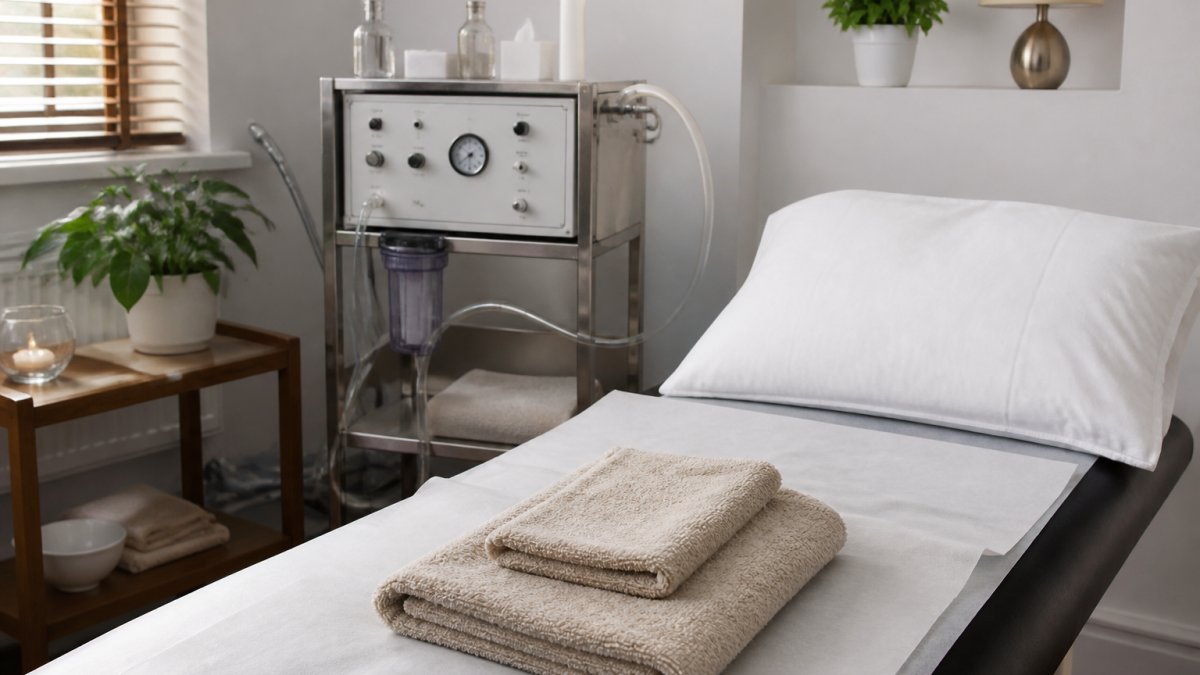
At Colonic Irrigation - Colon Hydrotherapy Cleansing, we offer colon hydrotherapy in a private clinic, using the gentle LIBBE open system.
The procedure is also called colon hydrotherapy or colon cleansing. It suits some people with sluggish bowels. It is not a medical cure, and it is not right for everyone.
Open System Versus Closed System
An open system means you lie on a treatment couch and release waste into a disposable channel. You control the flow. A closed system uses a small tube and a sealed waste line.
You can read more about the benefits of open system colonic irrigation.
Colonic Irrigation Preparation: What to Do Before Your Appointment
Good colonic irrigation preparation makes the session easier and safer. The main steps are simple: eat lightly, drink plenty of water, and arrive a little early.
Light eating is usually suggested before treatment, and drinking water beforehand helps you arrive well hydrated.
Tell your therapist about any medication, recent surgery, or health condition. This helps your therapist decide whether treatment is appropriate for you.
Preparation Checklist
Use this checklist before your appointment:
-
Book a time when you are not rushing afterwards
-
Drink water through the day before your session
-
Eat only a light meal in the two hours before
-
Bring a list of your medications
-
Wear loose, comfortable clothing
-
Tell us about any recent illness or surgery
For a fuller list, read what to know before you book colonic irrigation.
Step by Step: What Happens During the Session
Here is the process, step by step, with the detail that first-time clients usually ask about:
- Your therapist reviews your health information and answers your questions. This is your chance to raise any concerns about medication, recent surgery, or symptoms.
- You change in private, undress from the waist down, and cover yourself with a sheet or gown. You lie on the treatment couch on your left side or your back, depending on the system and your comfort.
- A small, smooth tube is gently inserted into the rectum. Insertion typically feels like mild pressure rather than pain.
- Warm, filtered water flows in slowly at low pressure. The flow can usually be slowed at any point if you ask.
- You feel mild abdominal fullness as water enters the bowel, similar to the sensation of needing to go to the toilet. Some people feel warmth or gurgling.
- When you feel the urge, you release the water and waste into the disposable channel. With an open system you control the release; with a closed system the waste is carried away through a sealed line.
- The therapist repeats the fill-and-release cycle, usually several times, adjusting the pace to your comfort.
- You rest, dress, and talk through aftercare, including hydration and what to expect over the next few hours.

Privacy, Positioning and the Speculum
Privacy is central to the experience. You undress from the waist down in a private room and cover yourself with a sheet. The therapist stays professional, explains each step, and keeps you covered except for the treatment area.
The speculum is a small, smooth tube, usually single-use and sterile. Insertion takes a few seconds and feels like mild pressure, not pain. If it feels uncomfortable, tell your therapist and they will stop and adjust.
Water Temperature, Flow and What You Feel
Treatment water is typically warmed and filtered, and the flow is kept gentle. Most clients describe warmth in the abdomen and a gentle urge to go. Some feel light cramping or gas. These feelings usually pass as the water is released.
Watch out: if you feel sharp pain, dizziness, or nausea at any point, say so immediately. The therapist can pause, lower the pressure, or stop the session altogether.
Equipment Hygiene and What to Ask
Hygiene is a reasonable thing to ask about. A reputable provider uses single-use speculums and tubing, or sterilises reusable components between clients, and uses filtered water. You can ask how the equipment is cleaned, whether the speculum is single-use, and how the water is filtered. A good therapist will answer without hesitation.
If the Session Feels Uncomfortable
Tell your therapist straight away. They can slow the water flow, lower the pressure, or pause the session. You can stop at any point. There is no obligation to finish. Discomfort is not something to push through, and a good therapist will never ask you to. If you have severe pain, ongoing bleeding, fainting, or vomiting after a session, seek medical advice.
Here is the session process at a glance, from consultation to aftercare.
| Step | What happens | What you may feel |
|---|---|---|
| 1 | Therapist reviews health information and answers questions | Reassured, able to raise concerns |
| 2 | You change in private and lie on the treatment couch | Covered with a sheet or gown |
| 3 | Small, smooth tube gently inserted into the rectum | Mild pressure rather than pain |
| 4 | Warm, filtered water flows in slowly at low pressure | Flow can be slowed if you ask |
| 5 | Water enters the bowel | Mild abdominal fullness, warmth or gurgling |
| 6 | You release water and waste into the disposable channel | Urge to go, then relief |
| 7 | Fill-and-release cycle repeated, usually several times | Pace adjusted to your comfort |
| 8 | You rest, dress, and talk through aftercare | Hydration advice for the next few hours |
How Long Does a Colonic Take?
The number of fill-and-release cycles varies, and the pace is adjusted to comfort.
What to Expect After a Colonic
Most people feel lighter and less bloated after a session. Some feel tired for a few hours. You can usually return to normal activity straight away.
Drinking water and eating a light meal afterwards is generally sensible.
Some clients pass extra gas or loose stool in the first few hours. This is normal. For a full guide, read what to do after colonic irrigation.
Colonic Irrigation Risks and Side Effects
Colonic irrigation risks and side effects are real and worth knowing. Commonly reported side effects include cramping, bloating, diarrhoea, upset stomach, and vomiting. Dehydration and electrolyte imbalance are also possible, particularly if sessions are frequent or if you are already unwell.
Evidence on benefits is limited, and claims about detoxification, weight loss, or curing disease are not supported by robust evidence.
Screening and Contraindications
Some people should not have colonic irrigation, or should speak to a clinician first. This includes people with:
- Known bowel disease, such as inflammatory bowel disease, diverticulitis, or recent bowel surgery
- Severe heart or kidney conditions
- Uncontrolled high blood pressure
- Pregnancy
- Active infection or fever
- Unexplained abdominal pain, bleeding, or recent changes in bowel habit
Clients are generally screened before treatment, and you may be asked to speak to your GP first if there is any doubt. Our frequently asked questions on colonic irrigation cover safety in more detail.
What Happens If the Session Feels Uncomfortable
Tell your therapist straight away. They can slow the water flow, lower the pressure, or pause the session. You can stop at any point. There is no obligation to finish. Discomfort is not something to push through, and a good therapist will never ask you to.
Seek medical advice if you have severe pain, ongoing bleeding, fainting, or vomiting after a session.
How This Differs from Medically Indicated Bowel Preparation
Colonic irrigation for wellness is not the same as bowel preparation ordered by a clinician before a procedure such as a colonoscopy, or treatment for severe constipation. Medically indicated bowel preparation uses specific solutions and protocols under clinical supervision. If you have been advised to have bowel preparation, follow your clinician's instructions rather than booking a wellness colonic.
Book Your Colonic Irrigation Session
Knowing what to expect during colonic irrigation takes the fear out of the first visit. You now know the steps, the sensations, and the risks.
If you are ready to book, our team at Colonic Irrigation - Colon Hydrotherapy Cleansing offers a Colonic Irrigation £59 Offer. Our qualified hydrotherapist uses the gentle LIBBE open system in a private clinic.
We have over 17 years of experience in colonic irrigation. Book your colonic irrigation session and take the first step towards better digestive comfort.
A first colonic can feel daunting, but a calm clinic and a clear explanation make it far easier. At Colonic Irrigation - Colon Hydrotherapy Cleansing, our qualified hydrotherapist guides you through every step using the gentle LIBBE open system in a private setting. Get started with Colonic Irrigation - Colon Hydrotherapy Cleansing and book a session that puts your comfort first.
Frequently Asked Questions
Does colonic irrigation hurt?
Most people describe mild abdominal fullness or cramping rather than pain, and the water flow can usually be slowed or paused if you ask. The tube is inserted gently and the therapist talks you through each stage. If discomfort builds, tell your hydrotherapist straight away so pressure and temperature can be adjusted. Some clients feel cramping, gas or bloating afterwards, which usually settles within a day. Anyone with a known bowel condition should discuss it at consultation first.
Can you eat before a colonic irrigation session?
Light eating is usually fine, but most clinics suggest a small, easily digested meal a couple of hours beforehand and avoiding heavy, fatty or very fibrous food. Skip alcohol and caffeine on the day, and drink plenty of water so you arrive hydrated. If you take medication, keep to your normal schedule unless your GP or prescribing clinician advises otherwise, and mention all medicines at your consultation.
How often should you have colonic irrigation?
There is no fixed clinical schedule, and frequency should follow your symptoms and your therapist's advice rather than a package deal. Some clients book a single session to see how they respond, while others return over a short period. Anyone using it for irritable bowel symptoms should treat it as supportive rather than a substitute for medical care, and should keep their GP informed about ongoing digestive problems.
Is colonic irrigation safe, and what are the main risks?
Colon cleansing is not established as a necessary way to improve health and it carries risks. The Mayo Clinic lists cramping, bloating, diarrhoea, upset stomach and vomiting among possible side effects and warns that the procedure can be dangerous, while Lehigh Valley Health Network names dehydration and electrolyte imbalance. Choose a clinic that screens for contraindications, uses single-use equipment and explains hygiene procedures before you book.